
Vietnam might be the easiest country in the world to travel slowly: a comfortable solo month costs $800–1,200 all-in, monthly rentals start around $250, the e-visa gives you 90 days for $25 — and Phu Quoc island waives the visa entirely for 30 days. This is our complete long-stay guide: where to base, what a month really costs, how to find a monthly rental and how to structure the trip — the hub for everything we have written about staying longer. First trip to the country? Start with the complete Vietnam travel guide and come back when the two-week version feels too short.
Wondering when to come? The best time to visit Vietnam guide answers it region by region, month by month.
One framing note, because it changes every decision: this is a guide to slow travel — a month or three of unhurried traveling — not to relocating abroad. You keep your life at home; you just stop rushing your trip. That mindset is cheaper, lighter on paperwork and, we would argue, more fun.
| Long-stay Vietnam at a glance | The short answer |
|---|---|
| Visa for a month | 90-day e-visa ($25, online) — or 30 days free on Phu Quoc |
| Monthly budget | $800–1,200 solo comfortable; $1,400–2,000 couple; under $650 lean |
| Monthly rentals | $200 guesthouse rooms · $250–450 studios · $400–700 modern 1BR |
| Best bases | Phu Quoc (beach), Hoi An (charm), Da Nang (city+beach), Hanoi (culture) |
| Internet | Fiber standard, café Wi-Fi handles video calls, eSIM data ~$1/GB |
| The route version | Four bases in one month, zero night buses — see the slow route |
Why a Month Changes Everything
Two-week Vietnam trips are sprints: twelve stops, night buses, checklist photos, exhaustion. Stay a month in one or two places and the math flips — your room costs drop by half or more, your days stop being logistics, and the country starts treating you like a regular: the coffee lady remembers your order, the market vendor stops quoting tourist prices, the beach has a “your” end. Slow travel is not doing less; it is finally having time to do things properly.
It is also simply cheaper. Daily hotel rates become monthly rental rates, restaurant tourism becomes market cooking when you feel like it, and transport costs approach zero because you are not going anywhere in a hurry.
The Visa Math (Simpler Than You Think)
- Vietnam e-visa: 90 days, single or multiple entry, $25, applied online in minutes. This is the default answer for any mainland long stay.
- The Phu Quoc trick: the island has its own 30-day visa exemption for every nationality — fly in direct and a month on the island needs zero paperwork.
- Border runs: perfectly doable (a flight to Bangkok and back resets the clock), but with a 90-day e-visa most people never need one.
Where to Base: The Four Serious Contenders
We compared the candidates properly in Where to Base Yourself in Vietnam — the one-table version:
| Base | Personality | Studio/month | Pick it if |
|---|---|---|---|
| Phu Quoc | Island life, beach every day | $250–450 | You want sea, sunsets and simplicity |
| Hoi An | Old-town charm, rice-field edges | $300–500 | You want beauty, cafés and a bicycle pace |
| Da Nang | Modern beach city | $300–550 | You want city amenities plus 30km of sand |
| Hanoi | A thousand years of texture | $300–500 | You want culture, food and four seasons |
Deep dives: a month in Phu Quoc (our home-turf guide), Hoi An slowly, Da Nang honestly and Hanoi at walking pace. Contrarians also do well in cool-air Da Lat or on the Mekong Delta — cheaper still, and almost tourist-free.
Or Keep Moving — Slowly: The Four-Base Route
If one base feels too still, the compromise that works is four bases in one month, zero night buses (the transport logic behind that rule is in our getting-around guide): Hanoi (6 nights) → Hoi An via Da Nang (8) → Saigon (5) → Phu Quoc (9). Long enough in each place to stop performing tourism, short enough to see the country’s full range. The complete plan — trains, flights, budgets, what to skip — is in One Month in Vietnam: The Slow Route, and it pairs with our honest guides to Saigon, Hue and Ninh Binh for the stops between.
Finding a Monthly Rental
The system that works in practice, in order:
- Book 3–7 nights first on a normal booking site — Agoda has the deepest Vietnam inventory and weekly rates often hint at which places negotiate monthly.
- Then hunt on the ground: Facebook groups (search “[city] apartments for rent”), local agents who work on landlord commission, and simply walking neighborhoods you like — “for rent” signs and a Google-Translated conversation still beat every app on price.
- Negotiate everything: monthly prices are expected to be 40–60% below the nightly rate times thirty. Confirm what utilities cost extra (electricity is the usual surprise) and whether cleaning is included.
Browse Vietnam Stays on Agoda →
The full playbook — deposits, contracts, scams to skip, neighborhood picks — is in our monthly rentals guide. The mechanics are the same in every Vietnamese city.
What a Month Really Costs
From our line-by-line cost breakdown, the honest 2026 numbers:
| Monthly line | Lean | Comfortable solo | Couple, living well |
|---|---|---|---|
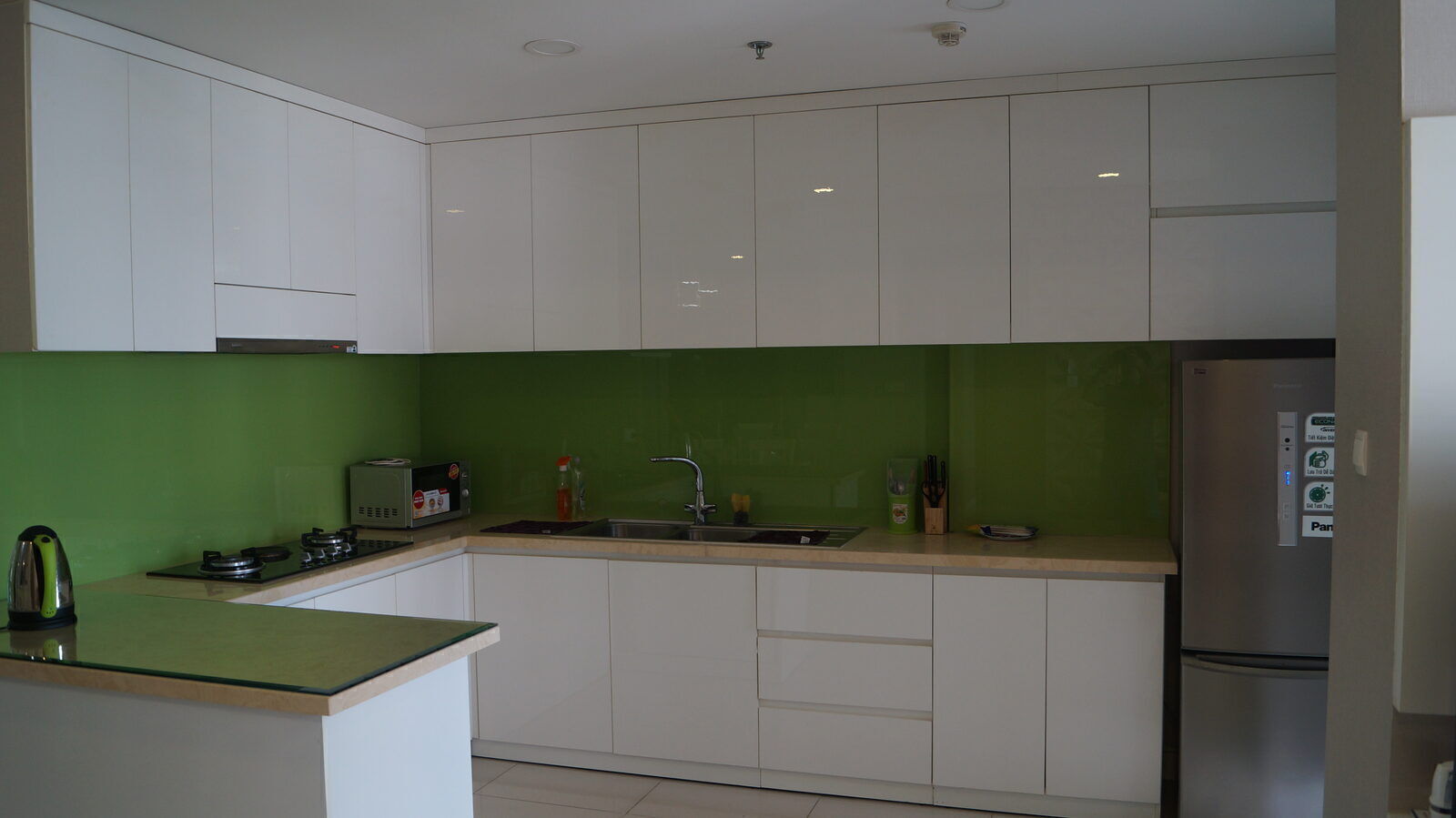
| Rent | $200–250 | $300–450 | $450–700 |
| Food | $150–200 | $250–350 | $450–600 |
| Transport + extras | $100–150 | $200–350 | $400–600 |
| Total | under $650 | $800–1,200 | $1,400–2,000 |
Working While You Travel
If you work remotely, Vietnam is quietly excellent at it: fiber internet is standard even in modest rentals, good cafés double as offices without side-eye, and the time zone (GMT+7) overlaps mornings with Europe and evenings with the US West Coast. Our field test with video calls and deadlines is in working remotely from Phu Quoc; the setup advice travels to any base. First move on landing: a data eSIM so you are online before your bags arrive.
Timing: Which Months, Which Region
- North (Hanoi): best October–April; winters are genuinely cool, summers hot and stormy.
- Center (Hoi An/Da Nang): best February–August; the flood-and-typhoon window is roughly October–December.
- South and Phu Quoc: dry November–April; the monsoon summer is quieter and 40–60% cheaper — with the island’s east coast at its best. Full logic in our seasons guide.
The country is long enough that somewhere is always in season — a real advantage of the multi-base route.
FAQ
Can I stay in Vietnam for 3 months?
Yes — the 90-day e-visa covers it in one go for $25. Many slow travelers chain seasons: a highland month, a beach month, a city month.
Is a month in Vietnam cheaper than staying home?
For many people, honestly, yes: $800–1,200 covers rent, food and fun at a quality of life that surprises first-timers. Flights are the main extra.
Do I need to speak Vietnamese?
No — tourism English works in every base on this page, and Google Translate handles landlords and markets. Learning numbers and thank-you (cảm ơn) earns real smiles.
Is it safe to stay long-term?
Very. Petty theft exists in big cities; violent crime toward visitors is rare. The genuine risk is traffic — take the scooter slowly or skip it entirely.
Where should a first-time slow traveler start?
Phu Quoc for pure ease (30 days visa-free, beach life, one Grab ride from the airport) or Hoi An for the classic charm-with-comforts month. Both forgive every beginner mistake.
Bottom Line
Ninety visa days for $25, rooms from $250 a month, fiber internet and four bases that feel like different countries: Vietnam rewards travelers who stop rushing better than almost anywhere on earth. Pick a base from the table, steal the slow route if you cannot choose, and give the country the one thing most visitors never do — time.
Some links in this guide are affiliate links: if you book through them we may earn a small commission at no extra cost to you. It helps keep our guides honest and free.
Get our free Phu Quoc Trip Kit — the pre-departure checklist, a 5-day plan and our honest booking picks. No spam; at most one email a month.
By subscribing you agree to our privacy policy. Unsubscribe anytime.