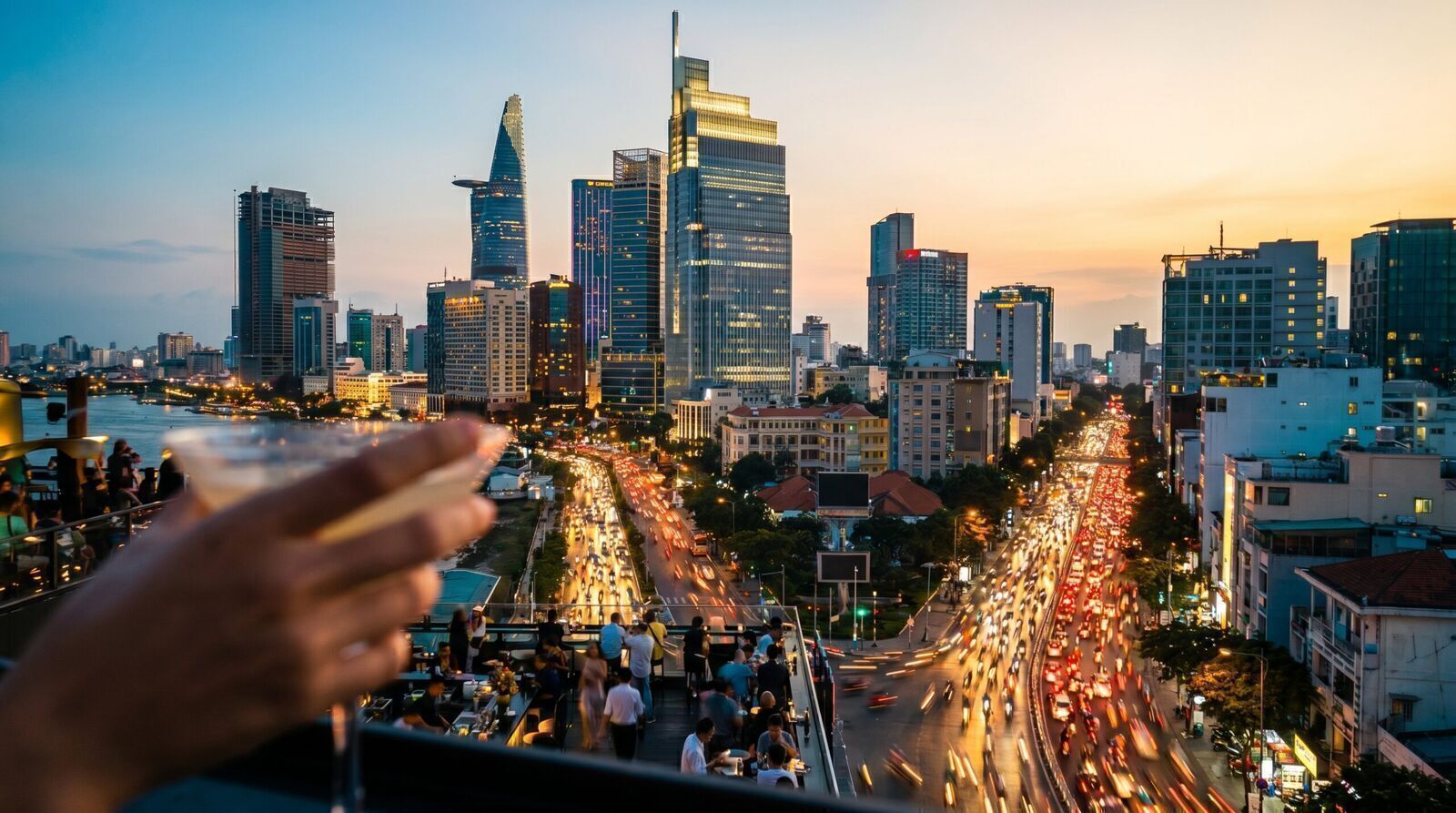
Saigon (Ho Chi Minh City) is Vietnam with the volume turned up: ten million people, nine million motorbikes, the country’s best coffee-shop culture and a food scene that never sleeps. Most travelers give it two rushed days and leave overwhelmed. This is the slow guide — 5 days that trade the checklist for the city’s actual rhythm, from alley-coffee mornings to rooftop blue hours.
Where to Stay
- District 1 fringes: walkable to the big sights without the backpacker-street chaos of Bui Vien (visit it once at night; sleeping there is self-harm). $30–70 buys a lot of hotel here (compare live rates).
- District 3: our pick — French-era villas, café density, local food streets, ten minutes from everything. The connoisseur zone.
- Thao Dien (District 2): the expat-leafy option — international cafés and calm, at the cost of feeling slightly apart from the city.
- Full comparison: our where to stay in Saigon guide sorts all four zones — prices, noise, and the metro that changed the Thao Dien math.
The Slow Five Days
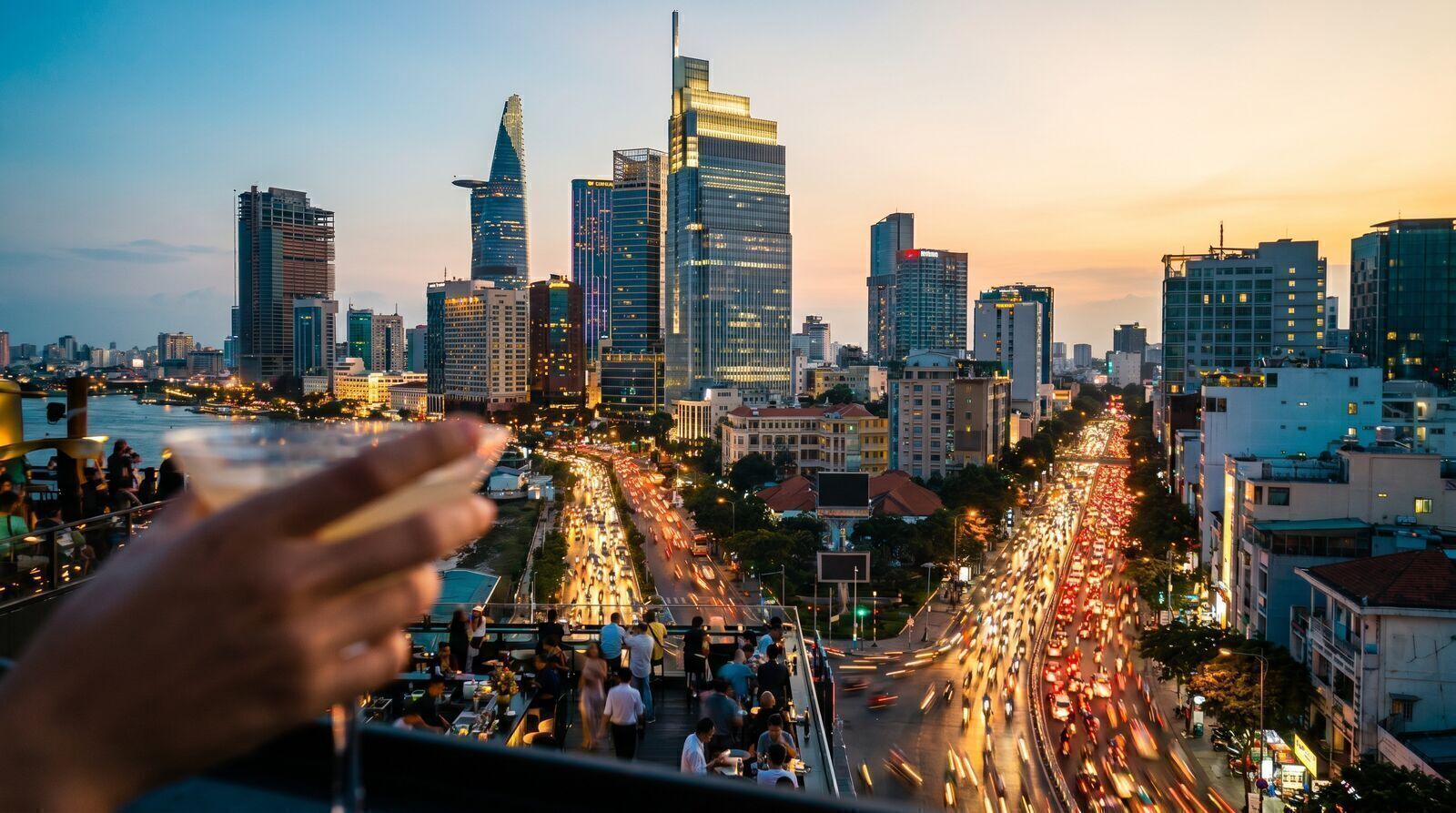
- Arrive & orient: evening walk from the Opera House down Nguyen Hue promenade, first bánh mì, rooftop drink to map the city by light.
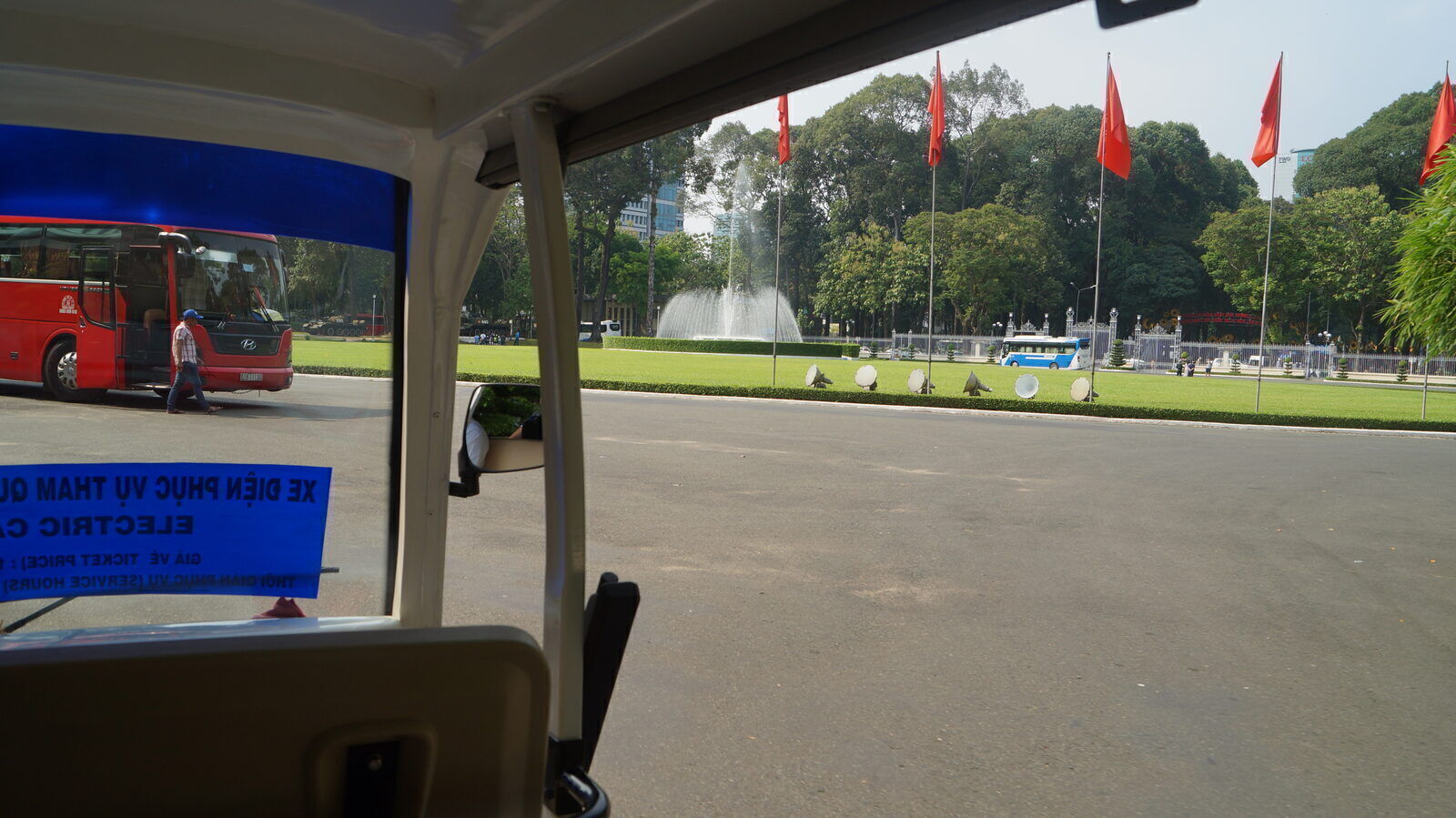
- The history day: War Remnants Museum in the morning (heavy, essential — go early, take breaks), Independence Palace after, Notre-Dame/Post Office square, đá me (tamarind iced tea) recovery stop, Bùi Viện’s neon circus after dark — once.
- The alley-food day: no monuments. Morning phở, mid-morning cà phê sữa đá in a hidden apartment café (the old buildings on Nguyen Hue and Ton That Dam hide dozens), cơm tấm lunch, Ban Co market wander, bánh xèo dinner, che for dessert. Saigon eats wider than Hanoi — this day proves it.
- Cu Chi tunnels half-day (morning tour beats the heat; the crawl is optional and genuinely tight), afternoon massage + pool, sunset from the Landmark 81 area or a Thao Dien riverside café.
- The Mekong or the museums: either an overnight Mekong Delta trip (Ben Tre homestay > rushed day tour (or better: the Can Tho overnight)) or a gentle final day — Fine Arts Museum, Tan Dinh pink church, tailor pickups, last rooftop. Fly to the island 55 minutes away and exhale.
Eat This in Saigon
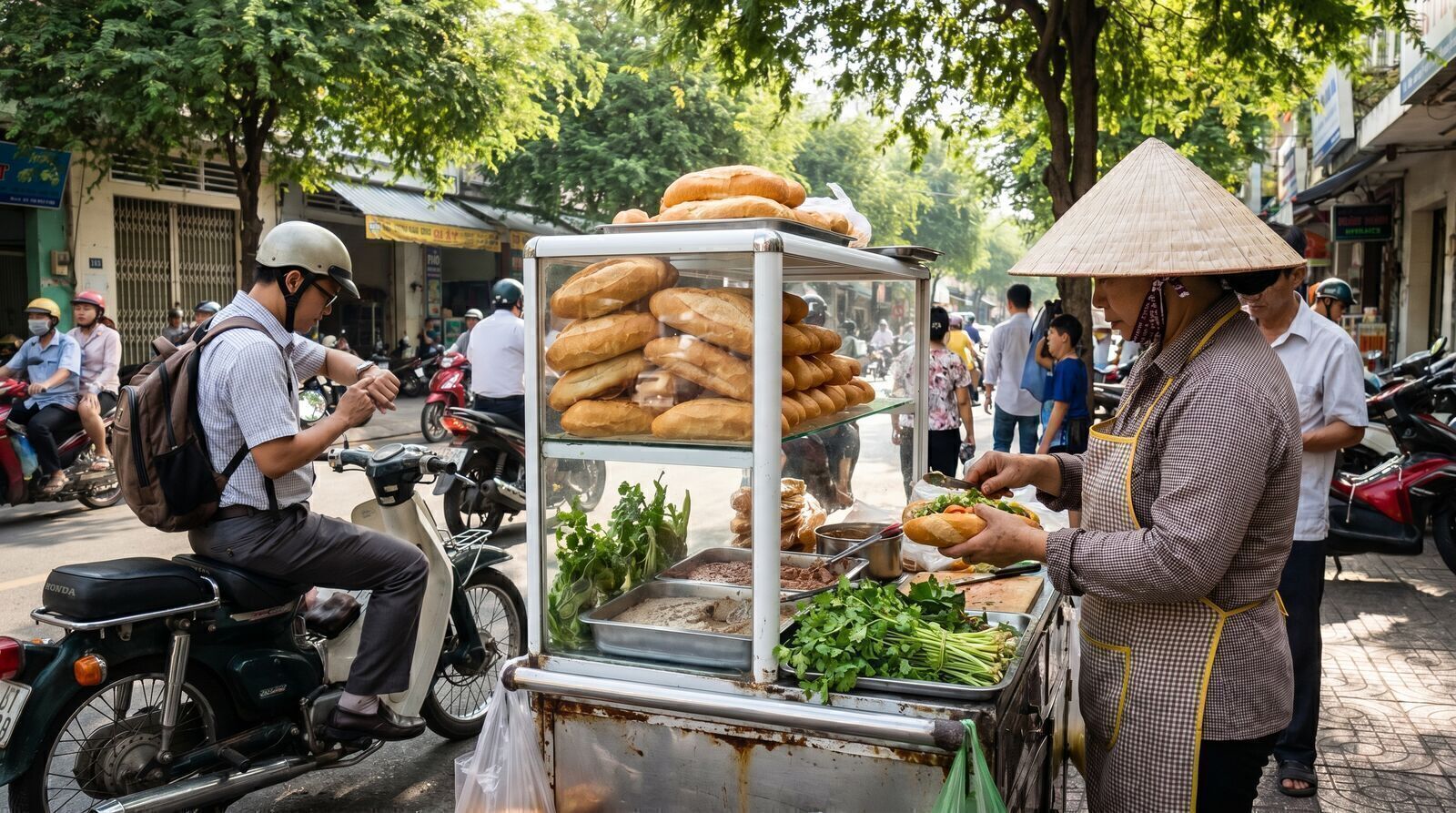
- Bánh mì — the southern build: pâté, cold cuts, pickles, chili, cilantro. The famous carts earn their queues.
- Cơm tấm — broken rice with lemongrass pork chop: the city’s breakfast-lunch-dinner workhorse.
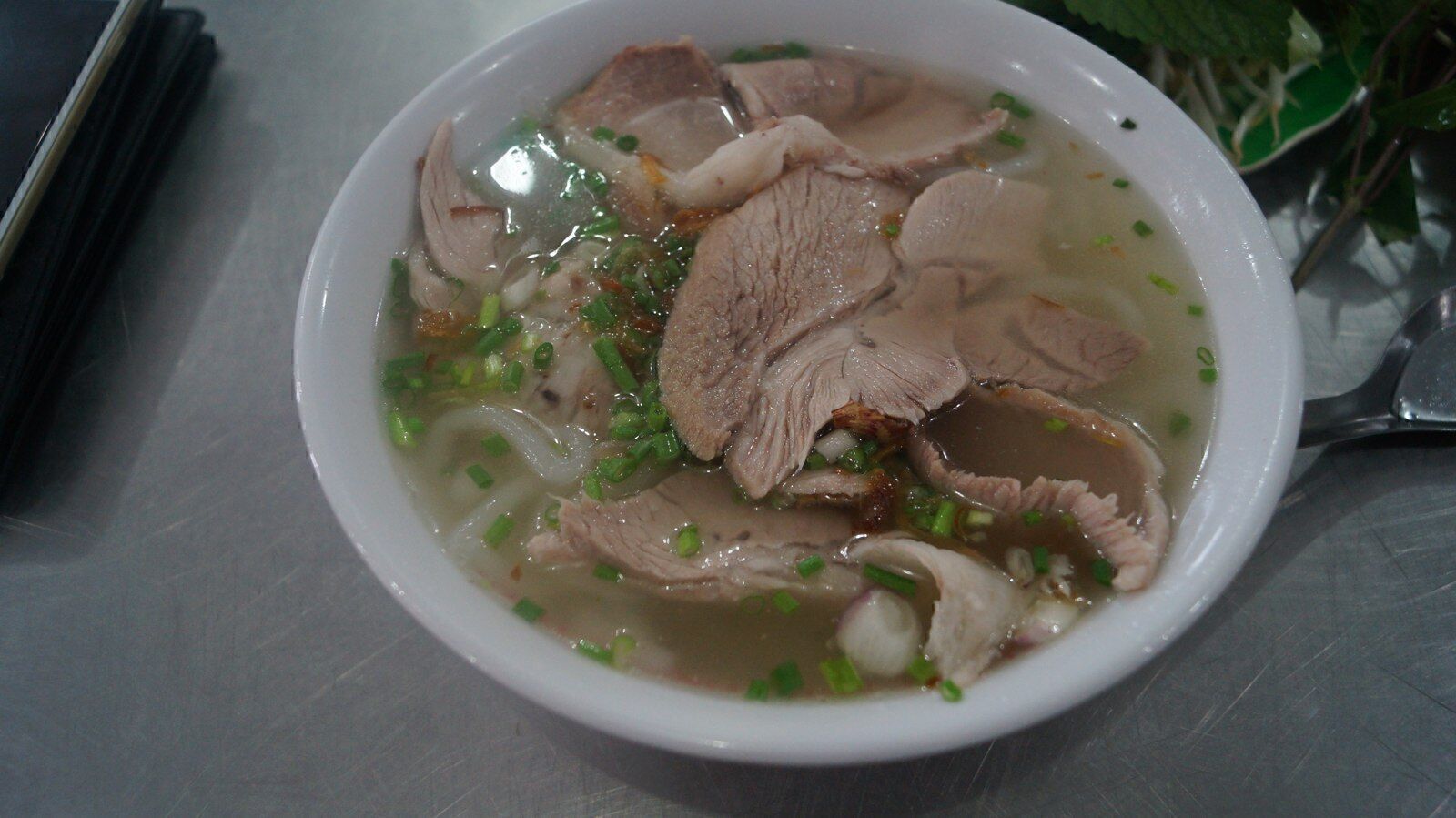
- Hủ tiếu — the south’s answer to phở; the Chinese-Cambodian noodle history of the city in one bowl.
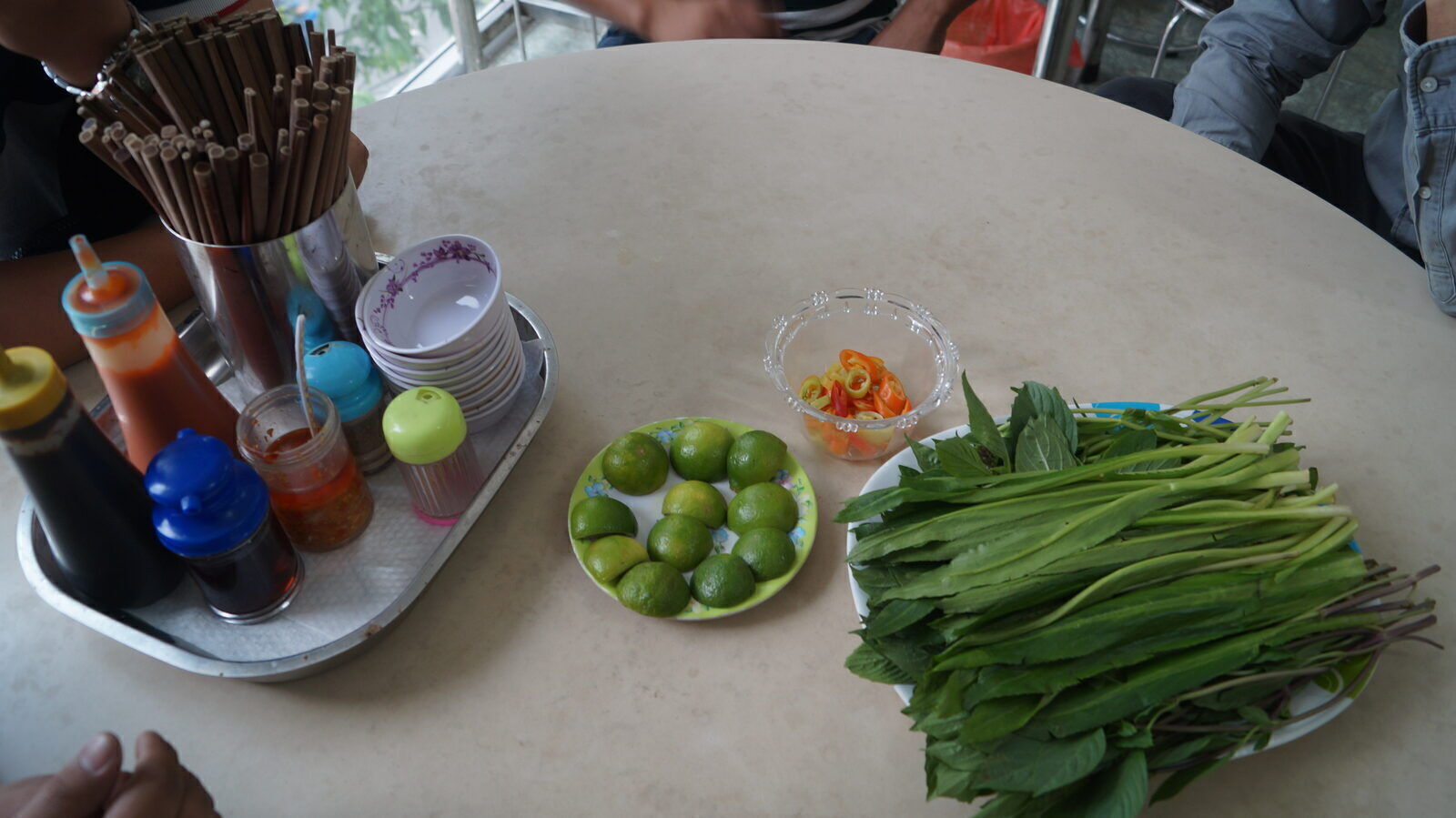
- Bánh xèo — crackling turmeric crepes you wrap in mustard leaves.
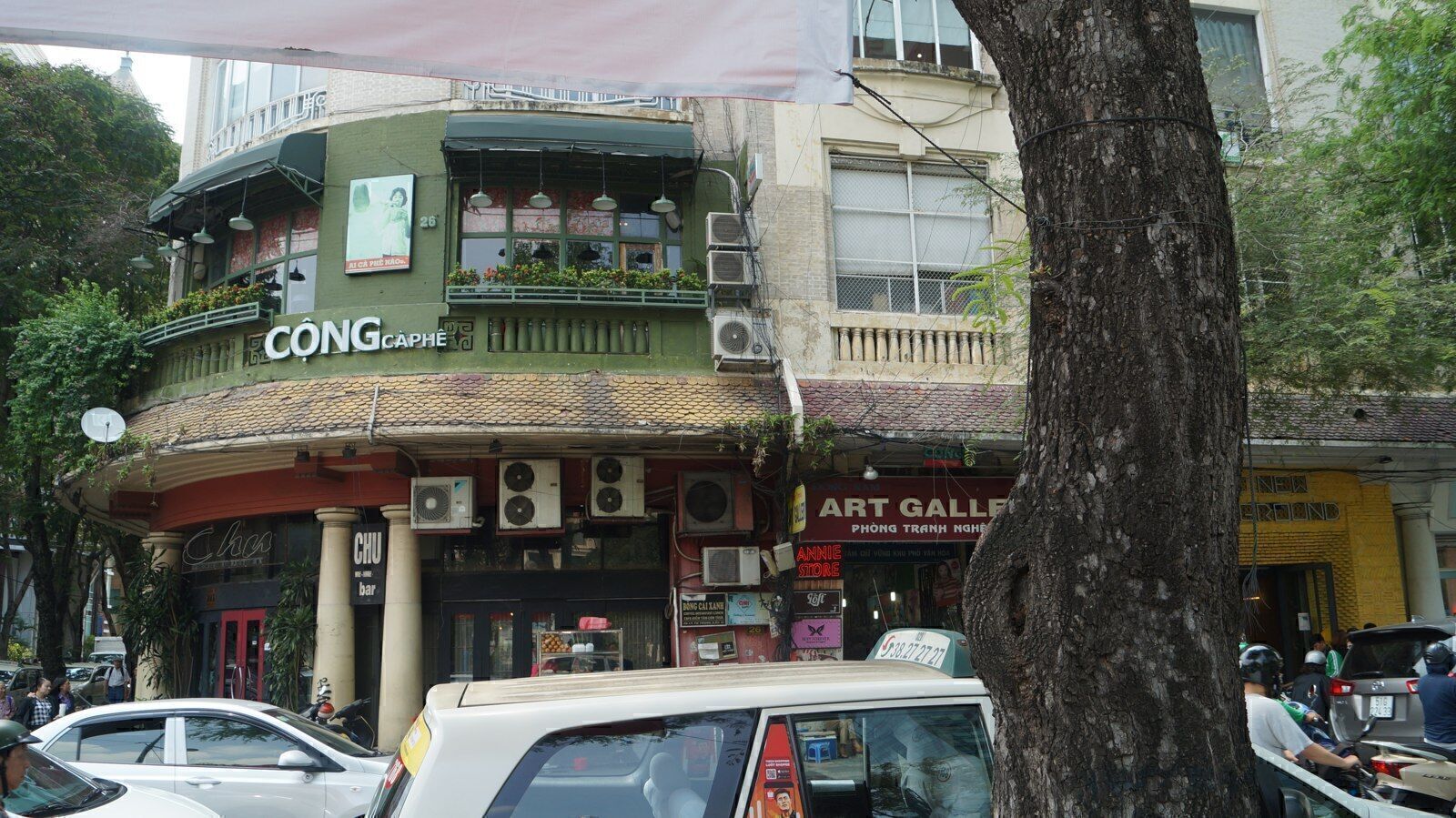
- Cà phê culture — Saigon’s hidden-apartment cafés are a travel genre of their own; budget one morning purely for climbing old staircases.
- The full decode: dish-by-dish prices, the ốc night ritual and Chợ Lớn — all in our Saigon food guide.
Surviving the City (Honestly)
- Traffic: same rule as Hanoi — cross steady, no sudden moves. Grab bikes ($1–2) are the city’s veins; helmets come with.
- Heat: Saigon is hotter than the north year-round — build in air-con recovery blocks 12–3 PM like locals do.
- Petty theft: the one real caution — phone-snatching from bikes happens. Keep phones off the curb-side hand, bags cross-body. That single habit removes most risk.
- Seasons: Dec–April dry and hot; May–Nov afternoon downpours that flood streets for an hour and then vanish. Both are workable (route timing).
What Should You Not Do in Saigon?
Don’t plan back-to-back sightseeing days, don’t walk long midday distances you could ride for pocket change, don’t hail unmarked street taxis, and don’t judge the whole city by District 1. Saigon punishes checklist travel and rewards anyone who schedules around heat and traffic and leaves real gaps for sitting still.
Most of the classic first-timer regrets here are planning errors, not safety issues. These are the ones we see (and made ourselves) most often:
- Hailing whatever taxi pulls up. Stick to Grab or the established Vinasun and Mai Linh fleets; the freelance lookalikes parked outside tourist sights run creative meters. Grab removes the negotiation entirely.
- Eating only where the menu is in English. The best kitchens in this city advertise with a crowd of office workers on stools, not a laminated photo book. If a place is packed at local meal times, sit down.
- Stacking Cu Chi and the Mekong on consecutive days. Both are long road days. Two in a row turns your trip into a bus tour — separate them with an alley-food or cafe day.
- Carrying your passport everywhere. A photo on your phone and the hotel safe cover almost every situation; a snatched bag hurts far less without your documents in it.
- Booking a room on star rating alone. Noise varies wildly street by street. Before you commit, check what the windows face — a karaoke lounge next door outweighs any rooftop pool.
Ordering Coffee Like You Live Here
Saigon cafe culture has its own liturgy: a low stool, a free glass of iced tea that lands before you order, and a metal phin dripping at a pace that forbids hurry. Nobody will rush you out — an hour over one glass is normal, not rude. Our rule of thumb: if the chairs face the street, the coffee is for watching, not working.
The menu decodes like this:
| Order this | What arrives |
|---|---|
| Cà phê đen đá | Strong black robusta over ice — the purist’s default |
| Bạc xỉu | Mostly milk, a little coffee — the gentle southern classic |
| Cà phê muối | Salted-cream coffee, an import from Hue that took over the south |
| Nước dừa | A whole fresh coconut — the non-coffee move on a hot afternoon |
| Trà đá | The free iced tea — refilled without asking, drink it |
At street level most of these cost roughly a dollar; in the hidden apartment cafes expect two or three times that, which buys you the view and the air conditioning.
Where Saigon Fits in a Slower Route
We keep coming back to the same sequencing advice: take Saigon while your energy is high, not as a weary final stop. It works beautifully as the loud opening chapter of a slow Vietnam trip — land, eat, adjust to the traffic ballet — before the pace drops through the highlands and the coast.
For long-stayers the calculus changes. The city’s cafe-office culture, food depth and flight connections make it a serious contender in the where-to-base debate, as long as you accept that your daily life will be indoors more than a beach base would allow. A month here is a month of discoveries; a month here in your first week of Vietnam is overload. Sequence accordingly.
FAQ
Saigon or Hanoi — which one, if only one?
Hanoi for history and atmosphere, Saigon for energy, food breadth and nightlife. Our honest tiebreak: Hanoi to visit, Saigon to live. The month route does both.
Is 5 days too many?
Not with the day-3 food day and a Mekong overnight — the city rewards the third and fourth morning like all of Vietnam does. Two days gets you museums and heatstroke. On a tighter clock, our 3 day Saigon itinerary is the compressed version.
Is Saigon walkable?
District by district, yes — between districts, Grab. Sidewalks double as parking lots; walk with patience.
Day trips worth it?
Cu Chi: yes, half-day. Can Gio mangroves: yes — the quieter full day (speedboat to a guerrilla base, monkeys, seafood market). Mekong: only as an overnight — the one-day version is mostly bus. Vung Tau beach: skip as a beach — but as a bánh khọt day trip it earns the bus ticket; the real beach is a 55-minute flight.
Bottom Line
Base in District 3, give the museums one day and the alleys two, climb the hidden-café staircases, guard the phone, and finish on a rooftop at blue hour. Saigon is not a slow city — but taken slowly, it is one of the great ones. Then fly to the island and let the pulse settle.
Some links in this guide are affiliate links: if you book through them we may earn a small commission at no extra cost to you. It helps keep our guides honest and free.
Get our free Phu Quoc Trip Kit — the pre-departure checklist, a 5-day plan and our honest booking picks. No spam; at most one email a month.
By subscribing you agree to our privacy policy. Unsubscribe anytime.