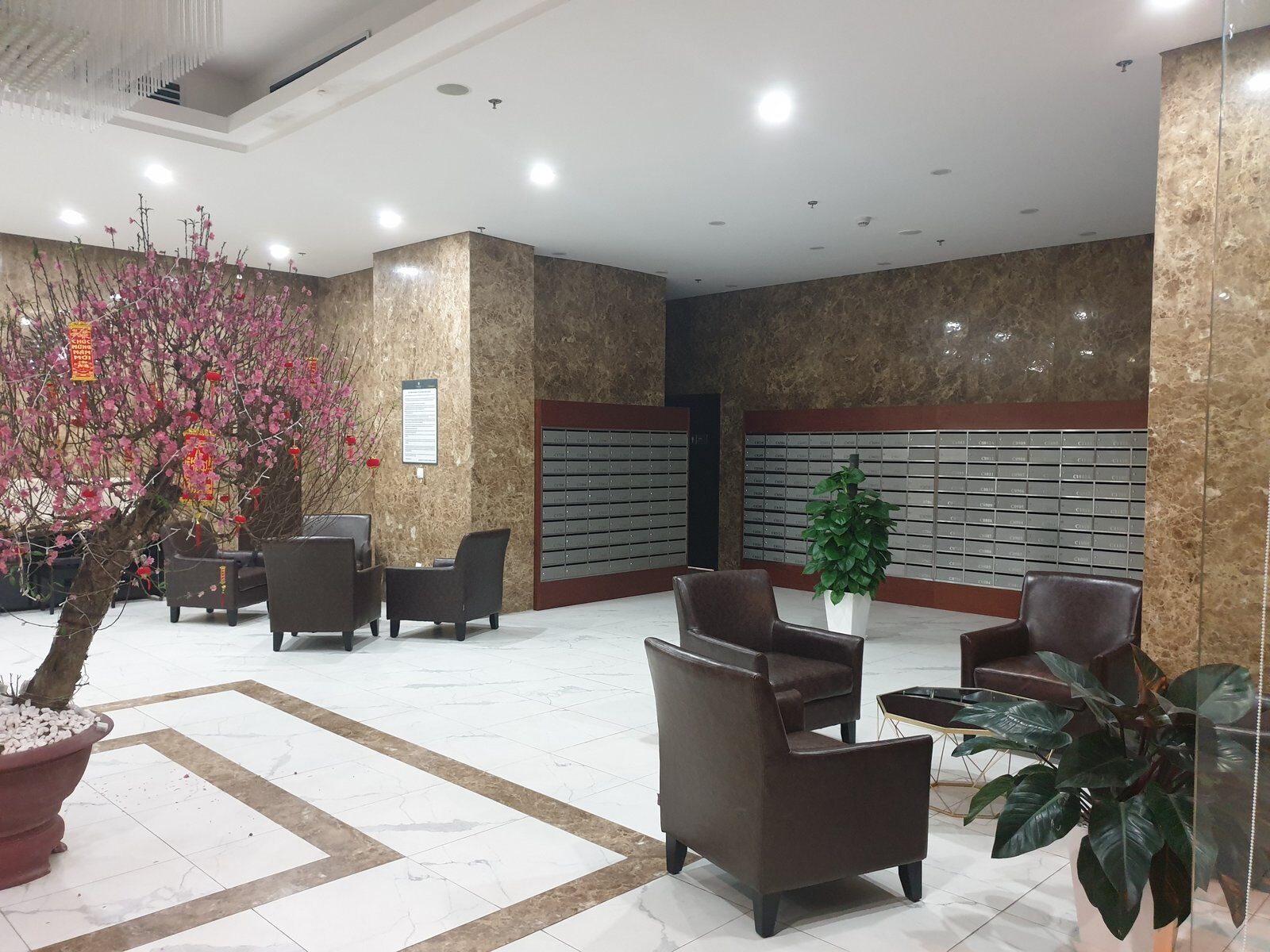
Tet 2027 — Vietnam’s Lunar New Year — falls on Saturday, February 6, 2027, and the country effectively stops from Thursday, February 4 to Wednesday, February 10. Family restaurants, wet markets, museums and every government office close for three to five days around the date, domestic flights and trains sell out weeks ahead, and beach-resort prices jump by a third or more. It is also the one week of the year when Vietnam is most completely itself: flower markets at dawn, kumquat trees strapped to motorbikes, a peach-blossom tree in every lobby, and cities so quiet you can hear the lake. This guide gives you the exact 2027 dates, what actually closes (and what does not), and a plan for traveling around Tet or straight through it.
Short version: if you want an easy trip, arrive after February 10 or leave before February 3. If you want to see Tet, base yourself in one city — Hanoi or Saigon — from about February 3 to February 8, in a hotel with its own restaurant, keep some snacks in the room, and book no domestic travel on February 4–5 or 9–10. Either way, lock in flights and hotels for the first half of February 2027 in the autumn, not in January.
Tet 2027 Dates: The Calendar That Matters
Tet moves with the lunar calendar, which is why “Tet is in February” is never precise enough to plan around. In 2027 it lands on a Saturday, and the two weekend days shape the public holiday that follows. Here is the whole sequence a traveler needs.
| Date (2027) | Lunar day | What happens |
|---|---|---|
| Sat 30 January | 23rd of the 12th month | Kitchen Gods day (Ông Táo): the countdown begins — carp released into lakes, flower markets fill, offices start to empty |
| Thu 4 February | 28 Tết | First day of the proposed public holiday; the great exodus from the cities peaks |
| Fri 5 February | 29 Tết — New Year’s Eve | Last market morning, then everything shuts by evening; Giao Thừa fireworks at midnight |
| Sat 6 February | Mùng 1 | New Year’s Day: family, ancestors and temples; the cities go silent |
| Sun 7 February | Mùng 2 | Visiting relatives; the first cafés reopen |
| Mon 8 February | Mùng 3 | Third sacred day; street food starts to trickle back |
| Wed 10 February | Mùng 5 | Last day of the proposed public holiday; return travel peaks 9–11 February |
| Sat 20 February | 15th of the 1st month | First full moon (Tết Nguyên Tiêu); spring festival season in full swing |
Two details worth knowing. First, there is no “30 Tết” in 2027: the final lunar month has only 29 days, so New Year’s Eve is February 5. Second, the official holiday length was still a proposal when we published this: the Ministry of Home Affairs put forward a seven-day option (February 4–10) and a ten-day one (February 5–14) in August 2026, and the ministries consulted backed the shorter version, which is what the Prime Minister is expected to sign off in the autumn. For a visitor the distinction barely matters — private businesses follow the family calendar, not the civil-service one. And for your diary: 2027 is the Year of the Goat (Đinh Mùi), and Tet 2028 comes early, on January 26.
What Actually Closes During Tet (and What Stays Open)
The internet oscillates between “everything shuts for two weeks” and “it’s fine, you’ll barely notice.” Both are wrong. The closures are real but specific, and they cluster around February 5–8.
| Category | Typical closure in 2027 | Notes |
|---|---|---|
| Family-run restaurants and street food | From the afternoon of Feb 5 to Feb 8 or 9; some until Feb 12 or later | The big variable. Hanoi’s Old Quarter thins to a handful of stalls; Saigon fares better |
| Wet markets | Close on the afternoon of Feb 5, trickle back Feb 8–9 | Supermarkets (WinMart, Co.opmart, Lotte) usually reopen on Mùng 2 or 3 with short hours |
| Museums and galleries | Roughly Feb 5–9 | Hanoi’s Ethnology and Fine Arts museums closed for several days in 2026; check each site |
| Banks, government offices, immigration | Feb 4–10 | Visa extensions and e-visa approvals slow to a stop — apply early |
| Temples and pagodas | Open, and packed | Mùng 1 at Ngoc Son or Tran Quoc in Hanoi is the show, not a closure |
| Hotels and resorts | Open, full, pricier | Tet buffet dinners, thinner staffing, surcharges printed on the rate |
| International chains, malls, convenience stores | Mostly open; shorter hours on Mùng 1 | Highlands Coffee, Circle K, Vincom malls — your safety net |
| Grab and taxis | Working, with fewer drivers and surge pricing | Airport runs are fine; allow extra time and book through the hotel on Mùng 1 |
| Tours, Ha Long cruises, Hoi An boats | Most run; some pause on Mùng 1–2 | Guides go home too — book ahead |
| Tourist sites (Hoi An Ancient Town, Cu Chi, Ba Na Hills, caves) | Open, with domestic crowds | Busiest on Mùng 2–4 when families go out together |
Expect a Tet surcharge (phụ thu) of 10–20 percent on the menus that do stay open from about February 5 to February 10, sometimes printed, sometimes announced at the door. Rides and hotel rates climb by similar margins. It is not a scam: staff are paid double or triple to work the holiday, and the surcharge is how a place can afford to open at all.
The Three Phases: Before, During and After
Before Tet (late January to 5 February): the beautiful crush
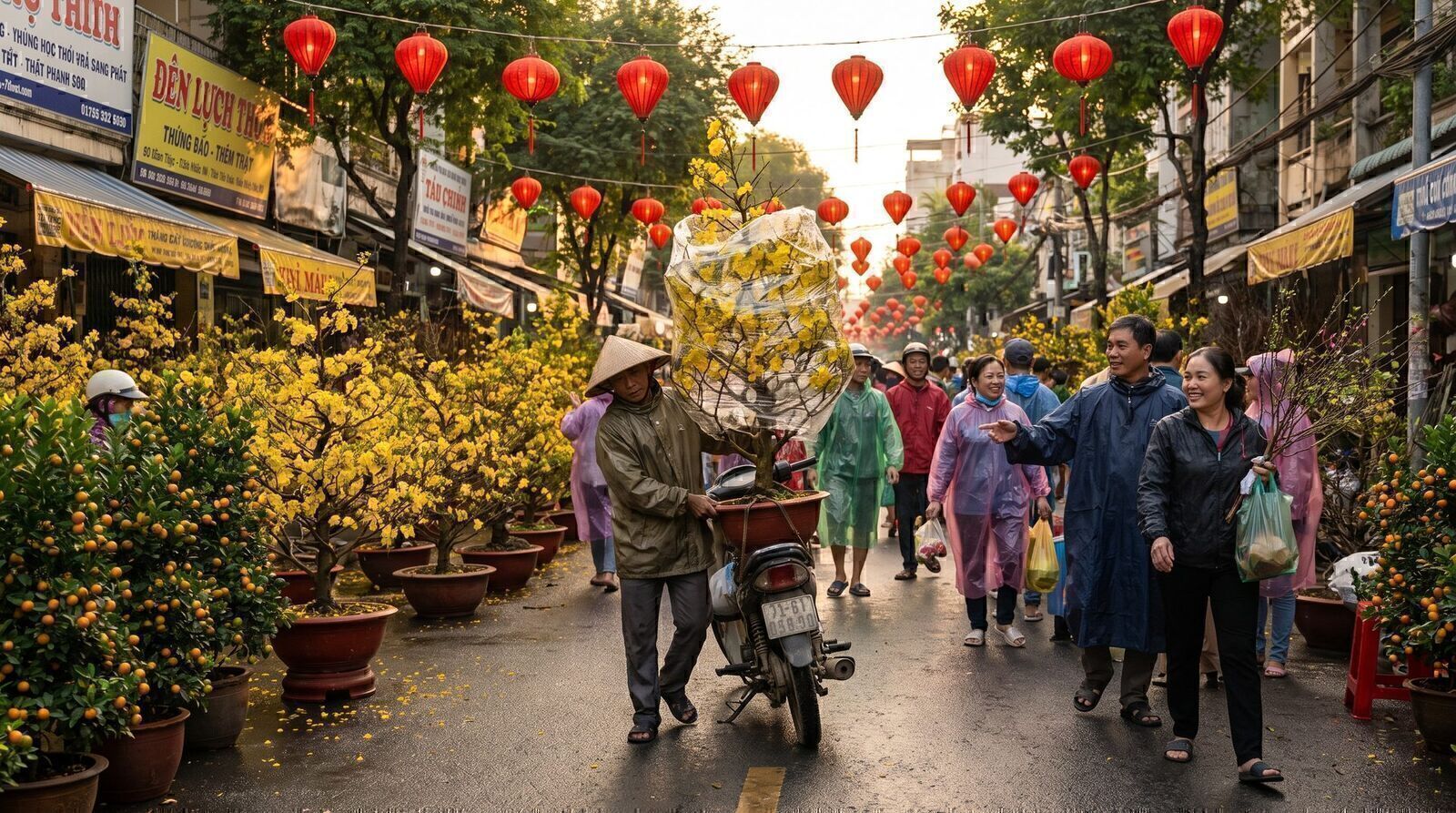
This is the most photogenic fortnight in the Vietnamese year. Hanoi’s Quang Ba flower market runs through the night with peach branches (hoa đào) and kumquat trees (quất) going out on the backs of motorbikes; Hang Luoc street in the Old Quarter turns into a temporary flower fair; Hang Ma sells red envelopes, paper offerings and gold foil by the kilo. Saigon does the same with yellow mai blossom at Ho Thi Ky flower market and the 23/9 Park fair. Everyone is shopping, cleaning, paying debts and visiting graves, which means the traffic is the worst of the year and every domestic seat is contested. It is a great time to be in a city and a bad time to be moving between them.
During Tet (5–8 February): the quiet
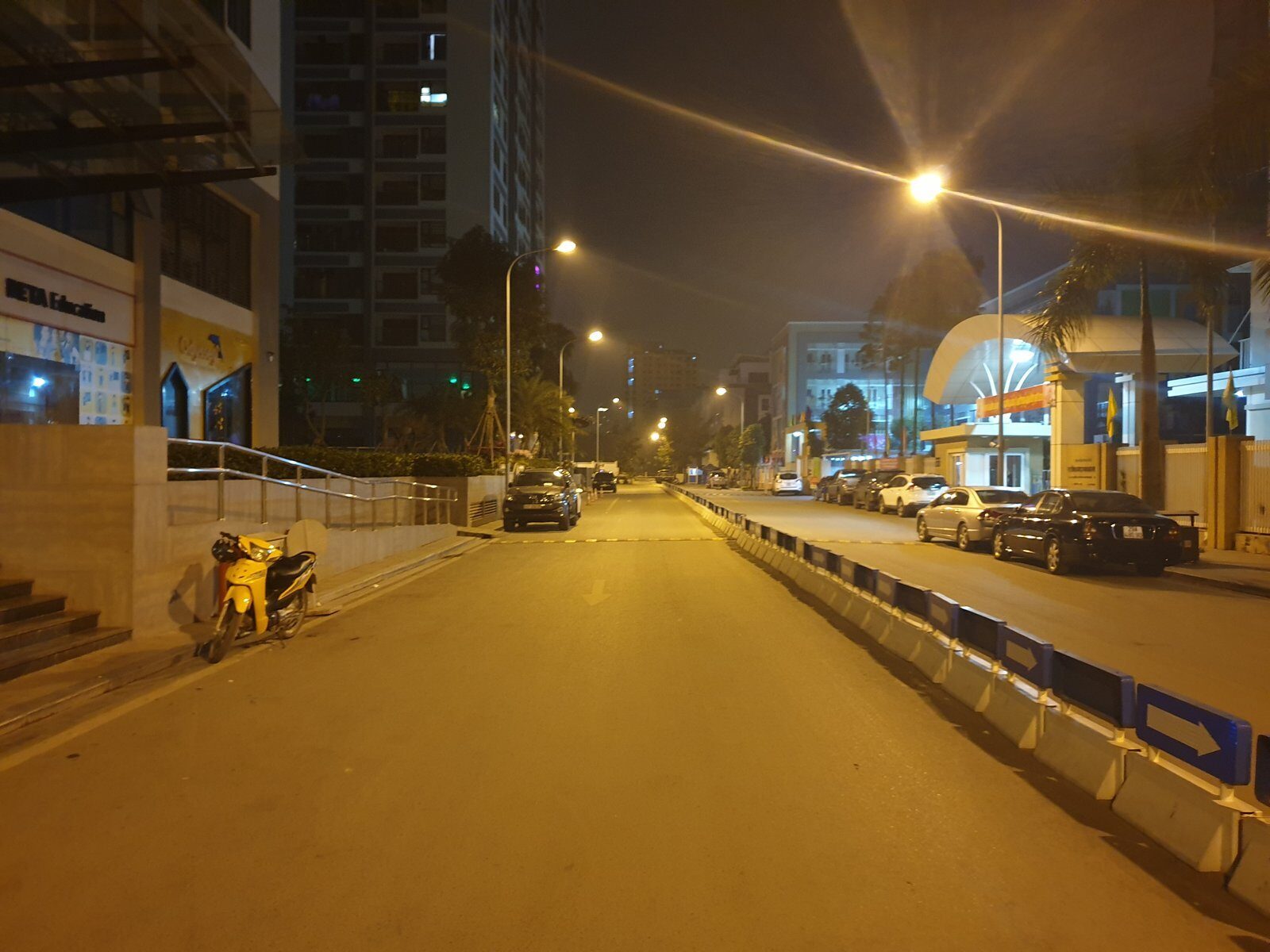
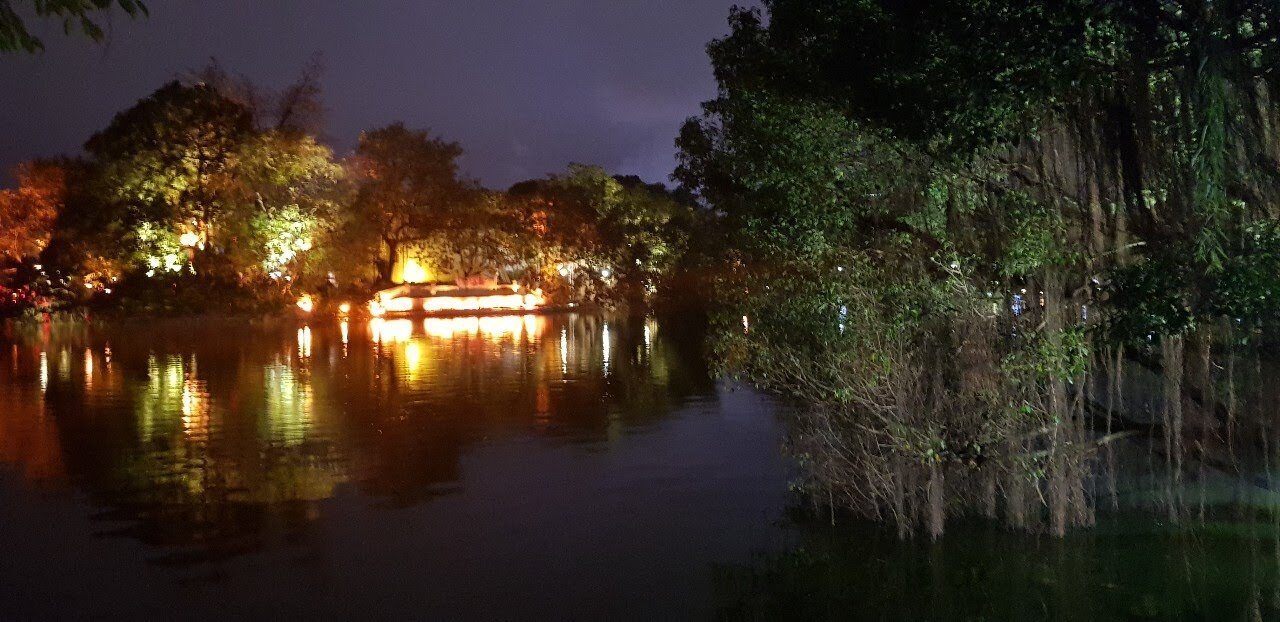
New Year’s Eve builds to Giao Thừa, the midnight moment, marked with fireworks over Hoan Kiem Lake in Hanoi, the Saigon River in Ho Chi Minh City and the Han River in Da Nang, plus dozens of smaller displays in the districts. Then comes the strangest morning of the year. On Mùng 1 the streets are empty, the shutters are down, and families are at home receiving the first visitor of the year — xông đất, the person whose luck sets the tone for the next twelve months. Temples fill with people in their best clothes. For a visitor, walking the Old Quarter or District 1 on Mùng 1 is like having private access to the city. By Mùng 2 and 3 the cafés reopen, relatives are visited in rotation, and the occasional lion dance rattles past.
After Tet (9–20 February): the reopening
The return migration runs from about February 9 to 12, with the same crush in the opposite direction, and prices settle by mid-month. Then the north’s spring festival season begins: the Perfume Pagoda pilgrimage opens on Mùng 6 (February 11), Yen Tu on Mùng 10 (February 15), the Lim singing festival near Bac Ninh on the 13th (February 18), and Hoi An’s lantern night on the 14th (February 19), the evening before the year’s first full moon. If your dates are flexible, the ten days after Tet are the sweet spot: festive, open and cheaper. Our month guides for February and January have the regional weather behind all this.
Where to Spend Tet: Hanoi, Saigon, Hoi An or the Beach
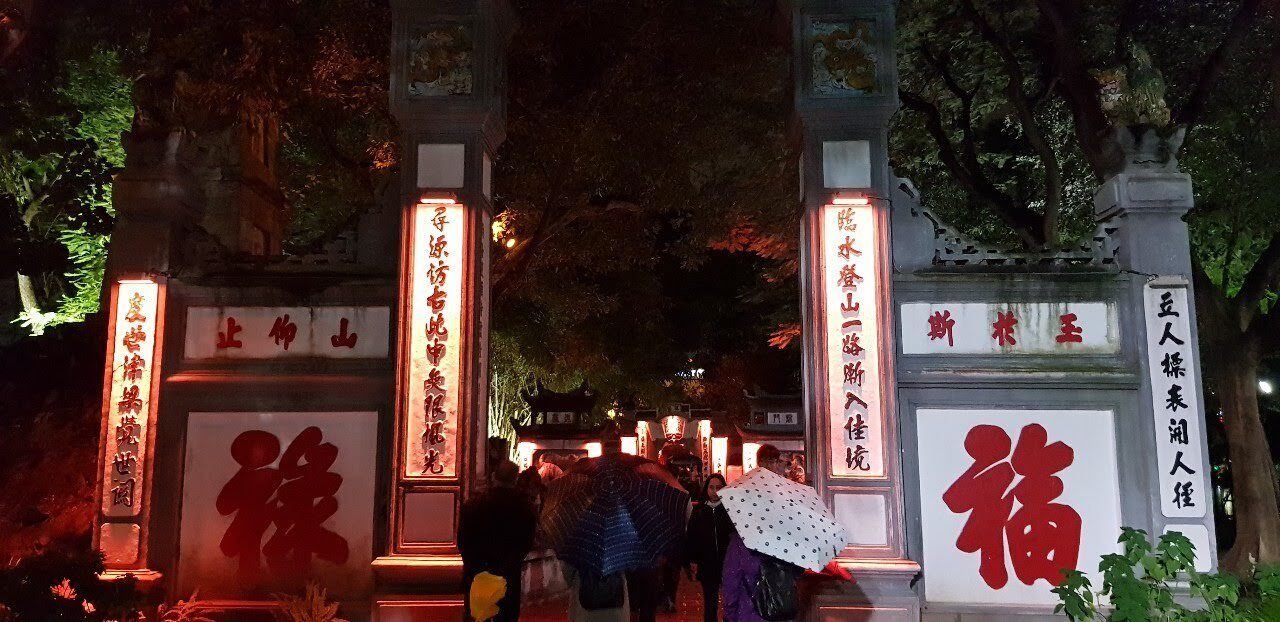
Hanoi is the most atmospheric choice and the coldest, at 13–19°C with the fine mưa phùn drizzle that makes peach blossom look right. The Old Quarter closes hardest, the lake-side fireworks are the country’s biggest, and Mùng 1 at Ngoc Son temple, with the red 福 and 祿 characters on the gate and half the city queuing with incense, is the single best Tet morning a visitor can have. Best for culture, worst for food hunting. Our Hanoi itinerary and where-to-stay guide cover the base; choose a hotel with a restaurant, and compare Hanoi stays on Agoda early, because the Old Quarter boutiques fill with Vietnamese families visiting from abroad.
Saigon is warm (27–33°C, dry) and stays noticeably more open. The Nguyen Hue flower street opens on the evening of 28 Tết and runs to Mùng 6 — in 2026 that meant February 15–22, so in 2027 expect roughly February 4–11 — and District 1 hotels, chains and a good share of restaurants keep serving. Cho Lon’s temples are the place for Mùng 1 incense. See our Saigon itinerary and where to stay in Saigon.
Hoi An and Da Nang are the easy middle ground: 20–26°C and drying out after the winter rains, the Ancient Town open throughout with lantern boats on the river, Da Nang’s fireworks over the Han, and enough tourist-facing restaurants to eat normally. Prices rise moderately rather than wildly. Start with our Hoi An guide and the Da Nang guide.
The beaches — Phu Quoc, Nha Trang, Mui Ne — are where Vietnamese families go for the holiday, so Tet week is domestic peak season: resorts fully open and fully staffed, but rates 30–60 percent above the February norm and the best family villas gone by November. Phu Quoc is at its driest in February, which is exactly why; our Phu Quoc guide has the island basics.
The mountains — Sapa, Ha Giang — are cold (5–12°C, frost possible) and half-closed, with homestay families away for the holiday. Come the week after instead, when the hill-tribe spring markets and festivals start. Details in the Sapa guide and Ha Giang Loop guide.
Transport During Tet 2027: The Booking Rules
- Domestic flights follow the flow. Seats out of Hanoi and Saigon to the provinces sell out and double in price for February 1–5; the reverse happens on February 8–12. In 2026, economy seats on the peak Saigon–Hanoi days ran 5–10 million dong (US$200–400) and were gone weeks ahead. Fly against the flow and it is cheap and calm: into Hanoi or Saigon on February 4–5, out of them on February 9–10, and Mùng 1 itself (February 6) is the emptiest flying day of the year. Vietnam Airlines and Vietjet release their Tet seats in the autumn; book then. Our getting-around guide explains the routes.
- Trains sell out first. The Reunification Express is rationed rather than repriced — Vietnam Railways raised Tet fares only 5–10 percent in 2026 and simply sold every northbound seat out of Saigon for the pre-Tet days. Book when tickets open, typically in October, or avoid February 1–5 and 8–12 altogether.
- Sleeper buses are the worst option this week. Overbooked, overpriced and running late; do not plan an overnight bus on February 3–5.
- Grab works, slowly. Fewer drivers, surge pricing and longer waits from February 4 to 8. Arrange airport transfers through the hotel for Mùng 1 and 2.
- Immigration closes. E-visa approvals and extensions pause from February 4 to 10. Apply two to three weeks out, as our visa guide recommends. International arrivals are normal — landing on Mùng 1 is, if anything, the smoothest airport experience of the year.
- Ha Long Bay runs. Most overnight cruises operate through the holiday, with a smaller Tet-Eve programme. Compare Ha Long Bay cruises on Klook and read our cruise guide before choosing a boat.
Money, Food and Manners for a Tet Visit
Cash first. Withdraw what you need before February 4: ATMs run empty over the holiday and are not refilled until the banks reopen around February 10. Our money guide covers fees and which machines to use. Carry small notes for the surcharge era.
Lucky money (lì xì). Red envelopes with crisp new notes go to children and elders. Nobody expects a tourist to hand them out — but if you are invited to a Vietnamese home, bring a gift box (fruit, tea, biscuits are all standard) and a few envelopes with 20,000–50,000 dong for the kids. It will be the most memorable meal of your trip.
Do not be the first visitor. The first person through the door on Mùng 1 is believed to set the family’s luck for the year, and families choose that person deliberately. Never drop by uninvited on New Year’s morning; arrive on Mùng 2 or 3 if asked. Other quiet rules: no sweeping or breaking things in someone’s home, no arguments or talk of debts, no all-black or all-white outfit at a family visit, and no asking a closed shop to open “just this once.” The greeting is Chúc mừng năm mới (roughly “chook moong nam moy”) — happy new year — and it opens every door.
What you will eat. Tet food is family food, cooked ahead so nobody works on the sacred days: bánh chưng in the north (a square of sticky rice, mung bean and pork boiled in dong leaves) and its cylindrical southern cousin bánh tét; thịt kho tàu, caramel-braised pork with eggs, in Saigon; giò lụa pork sausage, pickled onions (dưa hành), red xôi gấc sticky rice and trays of candied fruit (mứt) with tea. When the restaurants are shut, eat at your hotel, in the international chains, or at the Korean and Japanese places in Tay Ho and Phu My Hung whose owners do not keep the holiday. Phở chains and a few institutions reopen on Mùng 2. Our Hanoi and Saigon food guides list the places worth walking to once the shutters go up.
Should You Travel to Vietnam During Tet? An Honest Verdict
Come during Tet if you travel slowly and are happy to base in one city for five days; if culture and photography matter more than restaurant-hopping; if this is a second visit; or if you are heading straight to a beach resort and booked it early. Tet rewards people who stay put.
Avoid Tet if this is a first trip built around a fast ten-day, four-city itinerary with domestic flights every third day; if street food is the point of the journey; if museums matter to you; or if the budget is tight enough that 15 percent surcharges hurt. Arrive on February 11 instead and you get the festivals without the closures.
If you are coming anyway, this is the plan we would run: land in Hanoi against the flow on February 3; spend the 3rd and 4th at Quang Ba flower market at dawn, Hang Ma and Hang Luoc; eat a hotel dinner on New Year’s Eve and walk to Hoan Kiem for the midnight fireworks; give Mùng 1 to the temples and the empty Old Quarter; fly to Da Nang on Mùng 2 (February 7), when the plane is half empty; do Hoi An’s lanterns and beach from the 7th to the 9th; then continue to Hue or the coast from February 10 as the country reopens. It slots neatly into the front of our two-week route, and the timing logic is the same one behind our best-time-to-visit guide.
Tet 2027 FAQ
When is Tet 2027?
Saturday, February 6, 2027, is New Year’s Day (Mùng 1) and the start of the Year of the Goat. New Year’s Eve is Friday, February 5. The proposed public holiday runs February 4–10; Tet 2028 falls on January 26.
How long is the Tet holiday in 2027?
The state holiday is expected to be seven days, February 4–10. Family businesses typically close for three to five days around February 5–9, and some small restaurants stay shut until the middle of the month. Hotels, chains, temples and tourist sites stay open.
Is everything closed in Vietnam during Tet?
No. Hotels, international chains, malls, temples, Hoi An’s Ancient Town and the big attractions stay open. What closes is the family layer — street food, wet markets, small restaurants, museums, banks and offices — mostly from the afternoon of February 5 to February 8 or 9.
Is Tet a good time to visit Vietnam?
It is a good time to be in Vietnam and a bad time to move around it. Base in one city with a hotel restaurant and you will see the country at its most festive; try to run a multi-city itinerary through February 4–10 and you will fight for every seat and meal.
How early should I book flights and hotels for Tet 2027?
Domestic flights and trains for February 1–12: as soon as they are released, in October and November 2026. Beach resorts for Tet week: by November. International flights into Vietnam are unaffected, and arriving on February 5 or 6 is easy.
What should I say and do during Tet?
Say “Chúc mừng năm mới.” Bring a gift if you visit a home, give small red envelopes to children, do not turn up uninvited on the morning of February 6, and pay the Tet surcharge with good grace — the people serving you gave up the holiday to do it.
Some links in this guide are affiliate links: if you book through them we may earn a small commission at no extra cost to you. It helps keep our guides honest and free.
Get our free Phu Quoc Trip Kit — the pre-departure checklist, a 5-day plan and our honest booking picks. No spam; at most one email a month.
By subscribing you agree to our privacy policy. Unsubscribe anytime.