August is the month Vietnam confuses people most. Half the country is in the middle of its rainy season, the other half is enjoying its sunniest, driest stretch of the year — and which half you pick decides whether your trip is beach-perfect or umbrella-heavy. Having spent this summer moving between the regions, here’s the honest August picture, region by region.
This guide is part of our month-by-month series — start with the best time to visit Vietnam for the full-year map.
Short version: the central coast (Da Nang, Hoi An, Nha Trang) is at its peak in August. The far north is green but wet. The south — including Phu Quoc — is deep in monsoon season, which is either a dealbreaker or a bargain depending on how you travel.
The One Map That Explains August
Vietnam stretches 1,650 km north to south, and in August it effectively runs three different climates at once:
| Region | August weather | Verdict |
|---|---|---|
| Central coast (Da Nang · Hoi An · Quy Nhon · Nha Trang) | Hot, dry, sunniest month of the year, sea calm | ✅ Go — this is the season |
| North (Hanoi · Ha Long · Ninh Binh) | Hot, humid, frequent heavy showers; typhoon risk begins | 🟡 Fine with flexibility |
| Far north mountains (Sapa · Ha Giang) | Lush green rice terraces, regular rain, landslide risk on passes | 🟡 Beautiful but plan buffer days |
| South (Saigon · Mekong · Phu Quoc) | Daily downpours, Phu Quoc’s west-facing beaches rough | 🔻 City fine, beach islands risky |
Where August Shines: The Central Coast
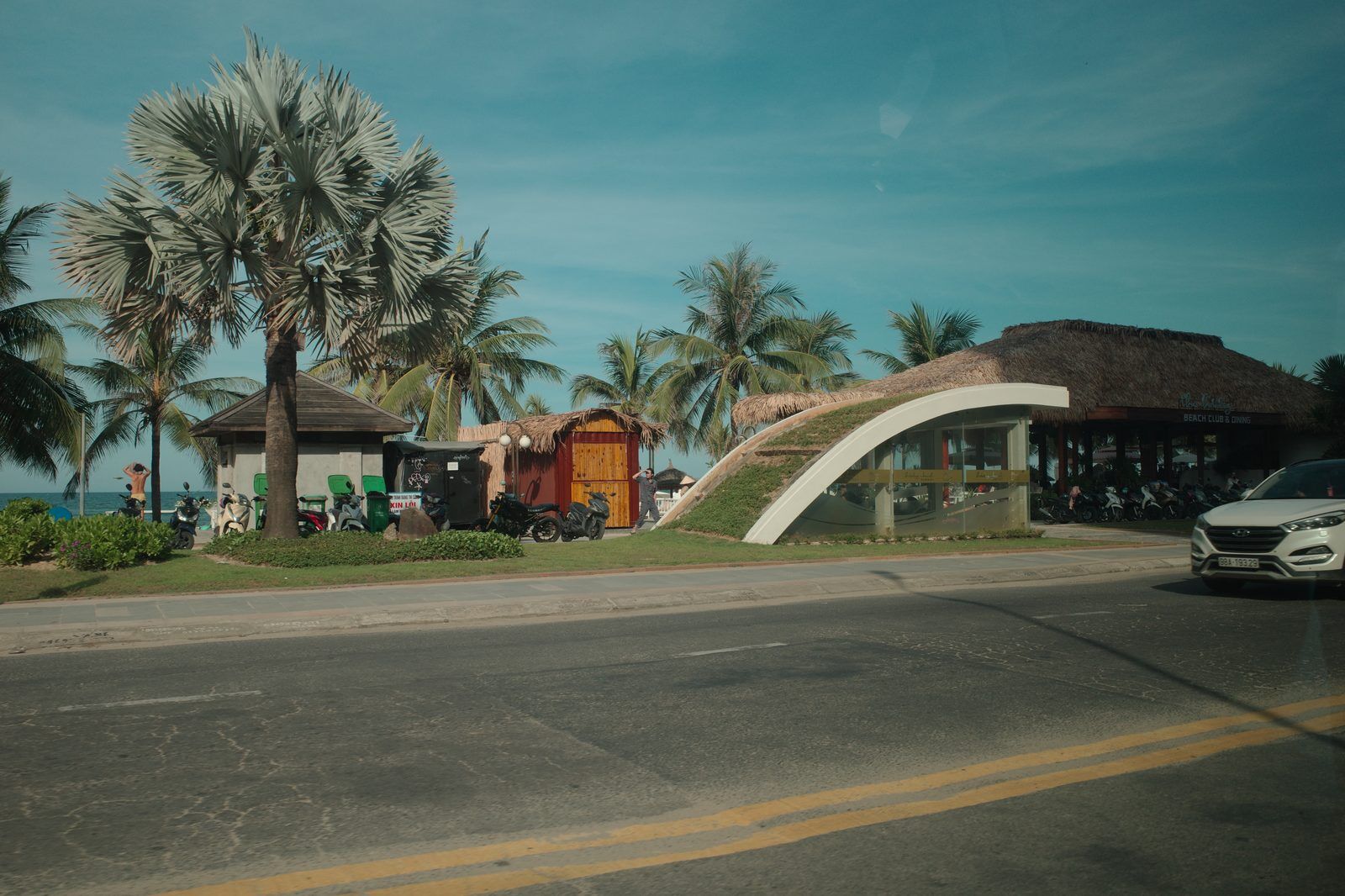
While the rest of Southeast Asia apologizes for its summer weather, Da Nang and Hoi An deliver 30 or more days of beach conditions across August: 33–36°C, low rain probability, and a calm, swimmable sea. This is when the central coast does its best impression of a Mediterranean summer — with $1.50 noodle bowls.
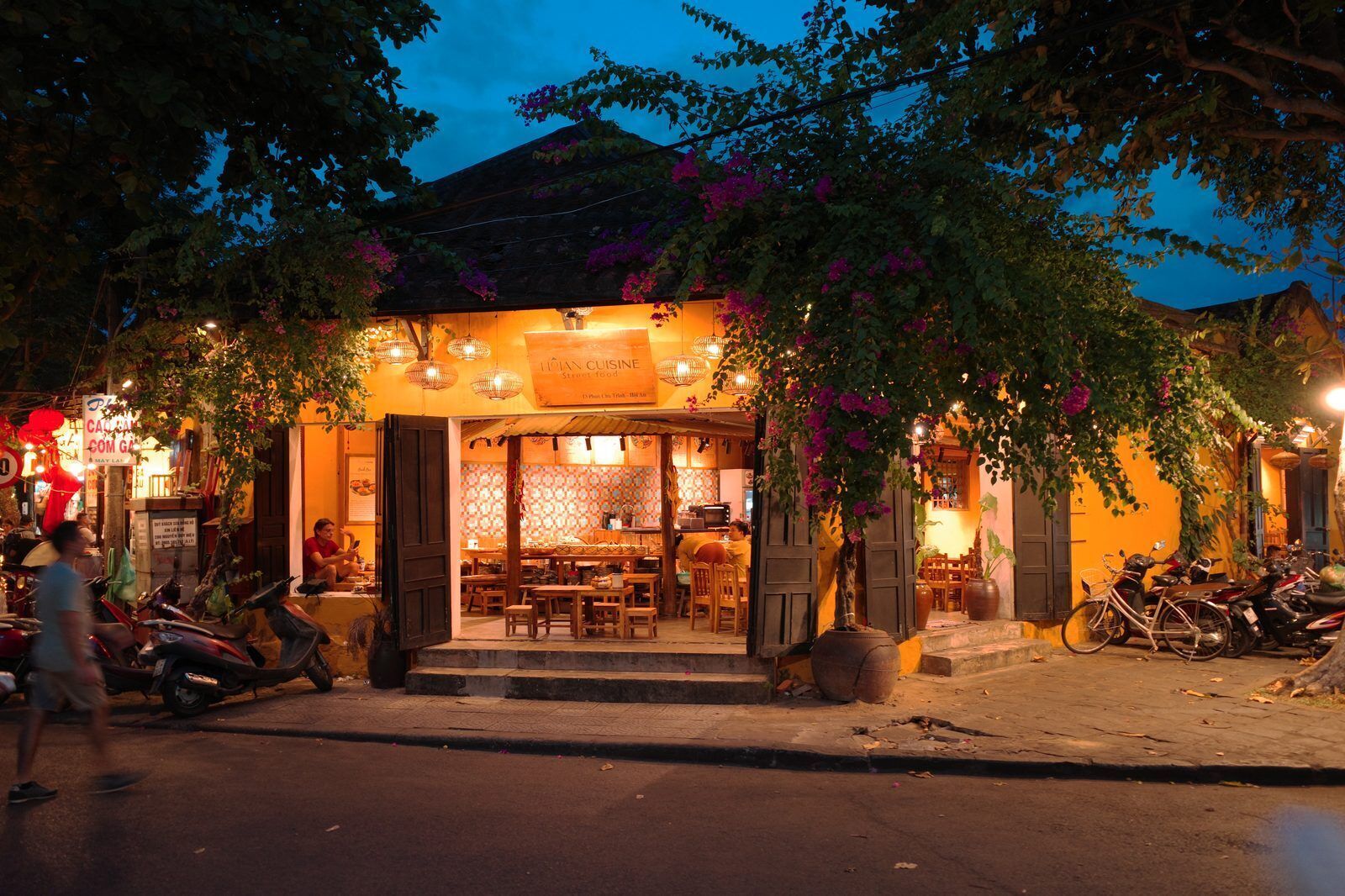
The practical play: base in Da Nang’s beach quarter (we broke down exactly where to stay in Da Nang after a week there), swim mornings, and save the golden hours for an evening lantern trip to Hoi An. Two caveats: it’s genuinely hot at midday, and Vietnamese domestic tourism peaks until schools resume in late August — book beach-town hotels a few weeks ahead and expect lively weekends.
The North: Good, With an Asterisk
Hanoi in August is hot, sticky and punctuated by dramatic afternoon downpours that flood streets for an hour and then vanish. It’s completely workable — museums, cafes and food crawls don’t care about rain — but it’s not the Hanoi of postcards (that’s October–November).
Ha Long Bay runs cruises all August, with two realities to accept: haze can soften those limestone-karst views, and this is the start of typhoon season on the Gulf of Tonkin. Cruises cancel when storms approach — full refunds are standard — so don’t put Ha Long on your final two days before an international flight.
The far-north mountains are August’s secret: Sapa and Ha Giang’s rice terraces hit their deepest green now (harvest gold comes in September). The trade-off is rain that can close mountain passes for a day. Go if you have buffer days; skip if your itinerary is rigid.
The South and Phu Quoc: Know What You’re Buying
Saigon in August is a rainy-season city that has never once let rain stop it — downpours are intense but short, and the city’s cafe-and-museum density makes it easy to plan around. The Mekong Delta is at its lushest.
Phu Quoc is the honest conversation: August sits in the heart of its wet season, when the main west-coast beaches take wind and waves head-on. We’ve covered exactly what Phu Quoc looks like in August — the one-line summary is: 40–60% resort discounts, real rain, and a swimmable east coast if you pick the right base. For honeymoon-grade beach certainty, wait for November–March instead (here’s the month-by-month breakdown). For budget travelers who don’t mind dramatic skies, it’s a legitimate steal — just read our rainy season survival guide first.
A Sane 10-Day August Route
- Days 1–2: Hanoi. Land, eat, acclimatize. Old Quarter mornings before the heat, cafe afternoons through the downpours.
- Days 3–4: Ninh Binh or Ha Long (weather-dependent — decide 48 hours out, not at booking time).
- Days 5–9: Fly to Da Nang. Beach mornings, Marble Mountains, Ba Na Hills if the novelty appeals, Hoi An by evening — the stretch of the trip that will fill your camera roll.
- Day 10: Fly out of Da Nang or continue to Saigon for city days.
Notice what’s not on the list: no long bus days (August heat makes them miserable), and nothing weather-critical in the final 48 hours. Domestic flights are cheap and frequent — Vietnam rewards flying between regions in summer. If you’re weighing a longer stay against a fast loop, our where-to-base guide makes the slow-travel case.
For the central-coast stretch, the big-ticket activities (Ba Na Hills, My Son sunrise tours, Cham Islands snorkeling) sell out summer weekends — comparing Da Nang tours and tickets a few days ahead beats gate pricing and sold-out signs.
Prices and Crowds: The August Economics
August pricing runs opposite to the weather map. The sunny central coast is at its most expensive and crowded — this is simultaneously European summer-holiday season and Vietnamese school-break season, so Da Nang beach hotels and Hoi An boutique stays price 20–40% above their shoulder-season rates, and weekend availability genuinely tightens. Meanwhile the rainy south discounts hard: Phu Quoc’s five-star resorts drop into three-star price territory, and even Saigon hotels soften.
Two timing tricks help. First, the last week of August is a quiet sweet spot — Vietnamese schools resume and domestic crowds thin out while the central-coast weather holds. Second, weekday stays beat weekends by a wide margin in beach towns all month. Flights follow the same logic: Hanoi–Da Nang and Saigon–Da Nang hops are cheap and frequent, but book the airport-adjacent routes a couple of weeks out rather than day-of in August.
How a Rainy-Season Day Actually Works
If you do spend August time in the north or south, it helps to know that “rainy season” rarely means all-day rain. The typical rhythm: a bright, steamy morning; clouds stacking after lunch; a loud, theatrical downpour between roughly 2 and 5 p.m. that lasts 30–90 minutes; then a washed-clean evening that’s the nicest part of the day.
Locals plan around it without thinking — markets and outdoor errands happen early, indoor time lands mid-afternoon, and evenings belong to street food. Copy that structure and a monsoon-region day loses most of its downside: museums, cafes, spas and long lunches absorb the wet window, and you get sunsets that dry-season visitors never see, because the post-storm skies are the most dramatic of the year.
What to Pack for Vietnam in August
- A folding poncho, not an umbrella — rain arrives with wind, and you’ll want both hands on a motorbike or a market bag.
- One warm layer — Vietnamese buses, trains and malls treat air-conditioning as a competitive sport.
- Reef-safe sunscreen bought at home — central-coast UV is fierce, and imported sunscreen in Vietnam is pricey and often whitening-formulated.
- Sandals that survive water — northern street flooding and beach life both argue against precious sneakers.
- An eSIM installed before you land — storm-day plan changes happen on your phone (our Vietnam eSIM setup).
FAQ
Is August a good time to visit Vietnam?
Yes — if you weight your itinerary toward the central coast. Da Nang, Hoi An and Nha Trang are in their driest, sunniest stretch in August. The north works with flexible planning, while the south and Phu Quoc are in full rainy season and suit budget-focused or city-focused travelers better than beach purists.
Is there a typhoon risk in Vietnam in August?
August marks the start of typhoon season, mainly affecting the northern coast and Gulf of Tonkin. Direct hits are uncommon in August (the peak is September–November for the central coast), but Ha Long cruises occasionally cancel. Build a buffer day around any boat trip and keep an eye on forecasts from about five days out.
Is Phu Quoc worth visiting in August?
Only for a specific traveler: one who values 40–60% off beach resorts over guaranteed swimming weather. The island averages some of its highest rainfall in August and the main western beaches get rough. If that’s you, our Phu Quoc in August guide covers how to do it well; if not, aim for November through March.
Is Vietnam cheap to visit in August?
It depends entirely on which half of the weather map you’re on. The rainy south is one of the year’s best-value windows — Phu Quoc resorts discount 40–60% and Saigon hotels soften. The sunny central coast is the opposite: Da Nang and Hoi An hit their annual price peak with European and Vietnamese holiday crowds overlapping. Food, transport and daily costs stay cheap countrywide year-round; it’s really the beach-hotel line on the budget that swings with the season.
How hot is Vietnam in August?
Expect 32–37°C afternoons countrywide, with humidity making it feel hotter — the north and south feel steamier, the central coast drier. The Vietnamese answer is to live mornings and evenings: markets at 6 a.m., beaches after 4 p.m., and air-conditioned or shaded hours in between. Sapa and Dalat stay comfortably cooler at altitude.
Some links in this guide are affiliate links: if you book through them we may earn a small commission at no extra cost to you. It helps keep our guides honest and free.
Get our free Phu Quoc Trip Kit — the pre-departure checklist, a 5-day plan and our honest booking picks. No spam; at most one email a month.
By subscribing you agree to our privacy policy. Unsubscribe anytime.