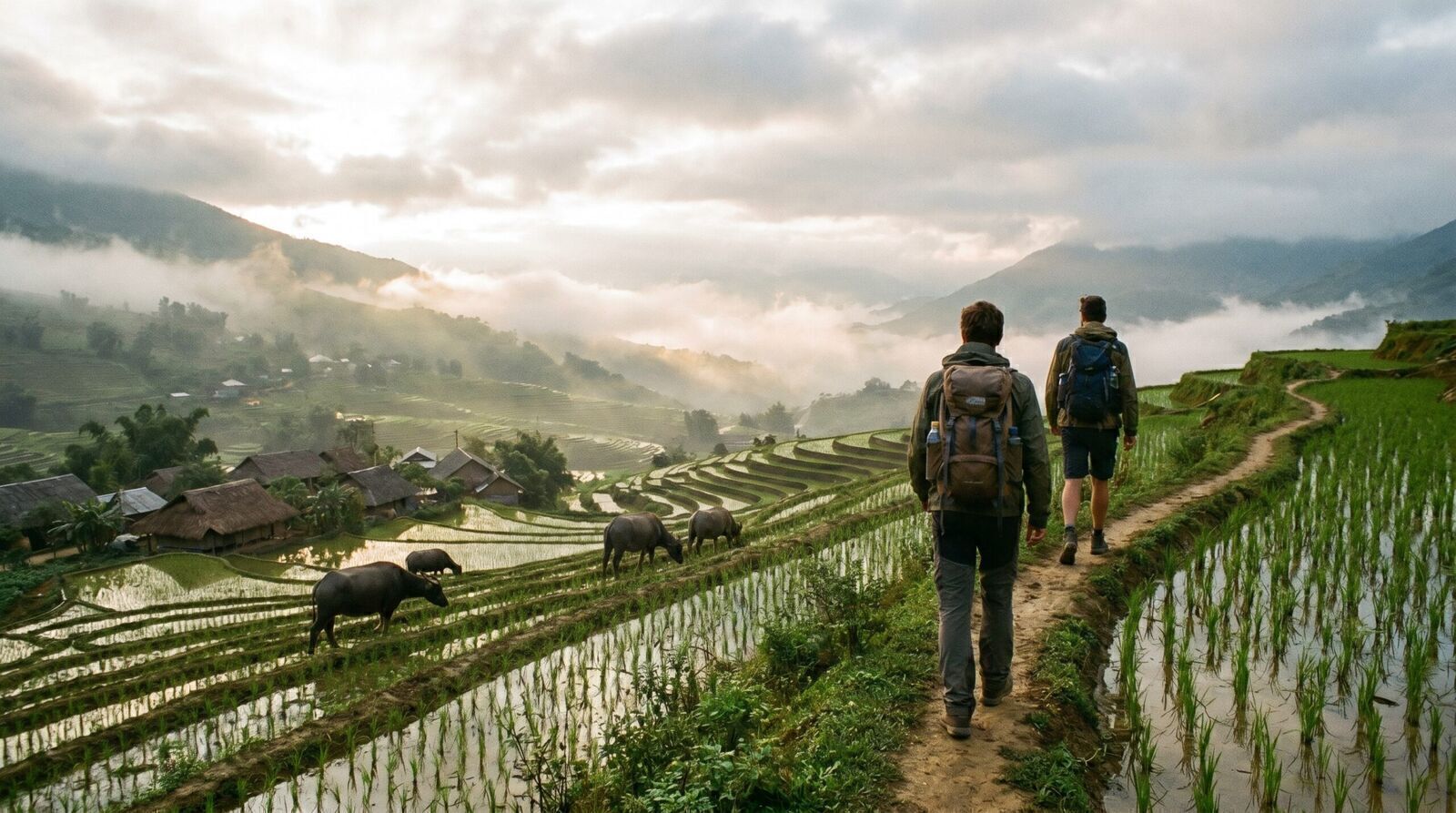
Northern Vietnam hides the country’s most dramatic landscapes: rice terraces pouring down mountainsides, karst plateaus at the Chinese border, villages where six ethnic cultures share the market. The two names on every itinerary — Sapa and the Ha Giang Loop — get treated as interchangeable. They are not. The short answer: choose Sapa for trekking, homestays and easy access — anyone can do it; choose the Ha Giang Loop for the 3–4 day motorbike epic with the best road scenery in Southeast Asia. Here is the honest comparison, and how to do whichever one fits you.
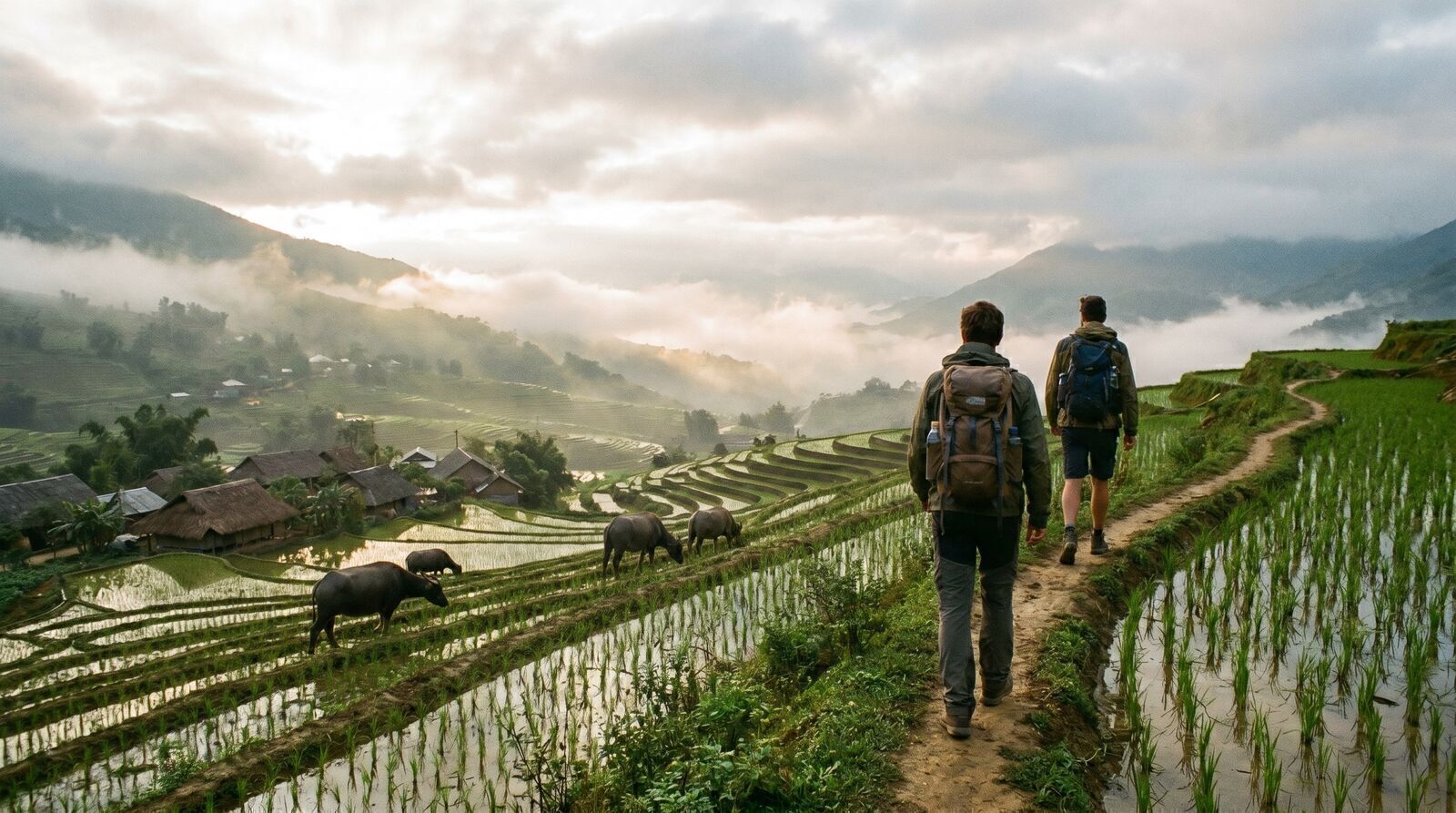
The 30-Second Verdict
- Sapa = trekking + homestays + accessibility. Easier, softer, more developed (for better and worse). Anyone can do it.
- Ha Giang = the motorbike epic. Wilder, harder, the best road scenery in Southeast Asia. For the adventurous (or those happy riding pillion with an easy-rider driver).
- Both need 3–4 days from Hanoi; doing both needs a week-plus. On a first Vietnam trip with limited days, pick one and promise the other a return.
Sapa — the Trekking Classic
- Getting there: overnight sleeper bus or limousine van from Hanoi (5–6 hours); the old sleeper train to Lao Cai + shuttle remains the romantic option.
- The move: skip Sapa town’s construction chaos as fast as possible — the magic lives in the valleys. Book a 2-day/1-night village trek (Lao Chai–Ta Van classic, or quieter Y Linh Ho routes) with a local H’mong or Dao guide and sleep at a homestay. ~$35–60 all-in. The full plan — town, trek, Fansipan and where to sleep — is in our Sapa guide.
- Fansipan: Indochina’s highest peak now has a cable car ($30ish) — summit views without the two-day climb. Clear mornings only; check the webcam logic (clouds eat the mountain most afternoons).
- Honest notes: town = hotels and karaoke; treks = persistent-but-friendly handicraft selling (buy something small from your guide’s family and the rest eases); terraces are green June–September, golden late September, brown-dry in winter — timing changes everything.
The Ha Giang Loop — the Road Trip of a Lifetime
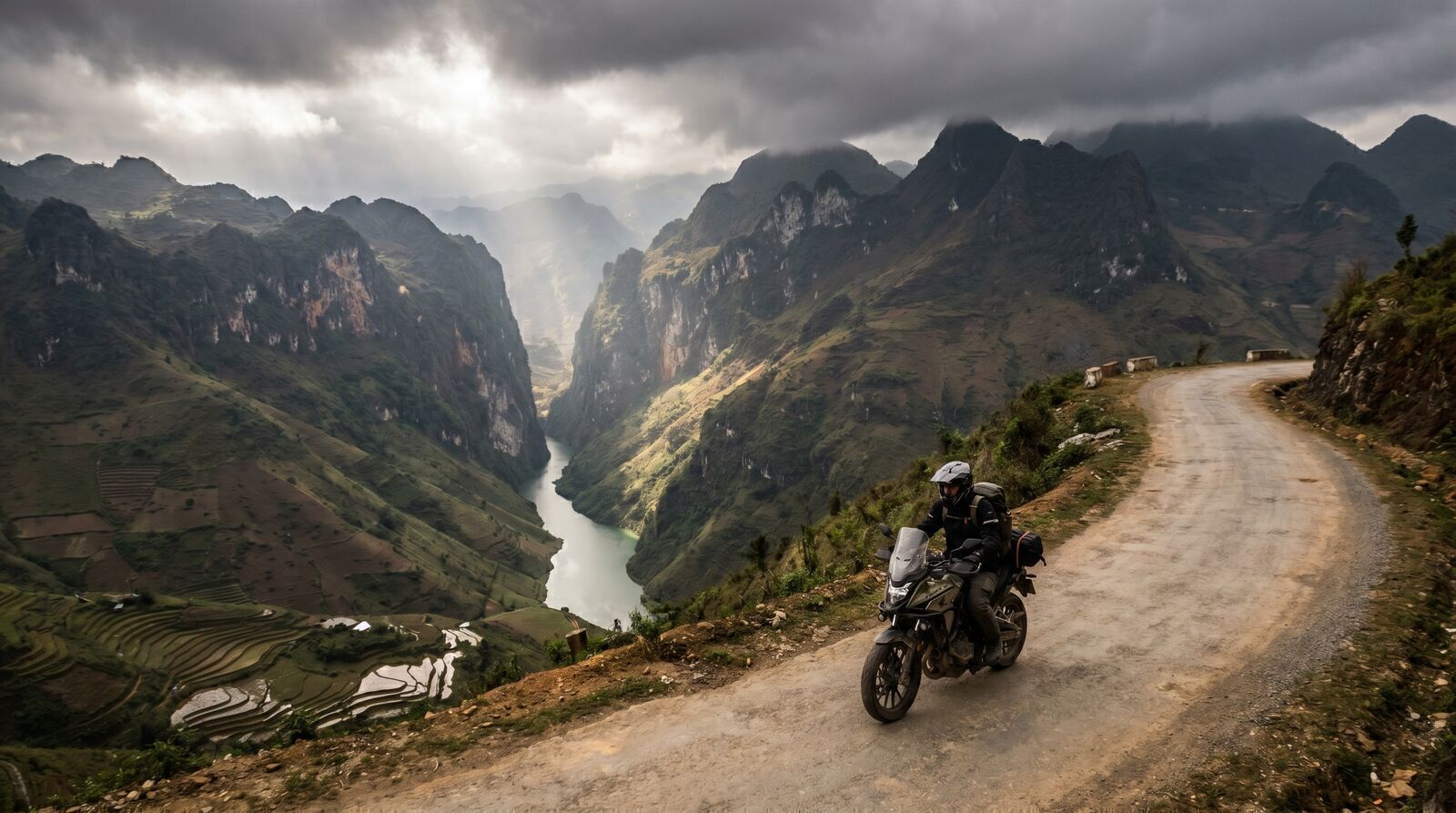
- The shape: a 3–4 day, ~350km circuit through the Dong Van karst plateau — Ma Pi Leng pass, canyon rivers, Lung Cu flag tower at the border, H’mong villages that see a fraction of Sapa’s traffic.
- Two ways to ride: self-drive (confident riders only — mountain roads, weather, trucks; proper license + IDP non-negotiable) or easy rider (you ride pillion with a local driver — 90% of the scenery, 10% of the risk, ~$150–200 for the loop including sleeps). We recommend easy rider for most travelers, without embarrassment. The full logistics — route, days, costs and the license question — are in our Ha Giang Loop guide.
- Sleeps: village homestays with family dinners and rice wine you cannot politely refuse (you can; “no” + smile works).
- Honest notes: it is remoter and rawer than Sapa — long riding days, basic facilities, weather roulette. That is the point. The loop rewards October–November and March–May; winter is beautiful and genuinely cold up there.
Which One Are You?
- Walkers, families, first-timers, photographers on a schedule: Sapa.
- Riders, adventurers, anyone whose favorite day ever involved a road: Ha Giang.
- Slow travelers with a spare week on the month route: Ha Giang is the single best add-on the route leaves out — slot it after Hanoi.
Practical Notes for Both
- Pack for mountain weather: layers year-round; the north gets properly cold November–February (nobody believes this in Saigon-sweaty week one).
- Book from Hanoi: both trips arrange best from the capital (compare treks and loop tours here) — reputable trek operators and loop companies cluster there; hotel pickup standard.
- Connectivity: mobile signal holds surprisingly well on both circuits — a Viettel-based plan wins up here (connectivity guide).
- Cash: mountain villages are cash economies; load up in Hanoi or Sapa town/Ha Giang city.
Can You Combine Sapa and Ha Giang in One Trip?
Yes — comfortably, if you have a week or more in the north. The pairing runs best in one direction: Hanoi to Sapa for the trek, then across to Ha Giang city for the loop, then back to Hanoi. Direct buses link the two regions, so no backtracking through the capital is required.
Budget the better part of a day for the Sapa–Ha Giang transfer and treat it as your rest day; mountain buses are slow by nature. We would also add a buffer night in Ha Giang city before the loop begins — you want to start the ride fresh, not straight off a bus with your legs still folded.
Order matters more than people expect. Trekking first eases you in — softer beds, shorter days — so the loop lands as the crescendo instead of a hard act to follow. Riders who do it the other way around tend to find Sapa’s valleys gentle to the point of anticlimax.
Month by Month: Which One Shines When?
Same mountains, different calendars. Here is how we would choose by season — and why the combined plan above works especially well in spring and fall, when both are near their best.
| When | Sapa | Ha Giang loop |
|---|---|---|
| Mar–May | Clear trekking weather; planting season fills the terraces with water and sky | Prime riding — dry roads, mild passes |
| Jun–Aug | Terraces at their greenest; hard afternoon rain, mud on the trails | Rideable but wet and less predictable on remote stretches |
| Sep | The golden-terrace jackpot, especially late in the month | Good, and improving as the rain tapers off |
| Oct–Nov | Terraces cut and browning; crisp, quiet trails | Peak season — clear air, plus the buckwheat-flower bloom locals time to roughly late October |
| Dec–Feb | Cold, brown-dry, occasionally frosty — and blissfully empty | Beautiful, genuinely cold riding; pack like you mean it |
How Hard Is It, Really?
Easier than the photos suggest, in both cases — with caveats worth knowing before you commit.
Sapa’s village treks are farm-path walking, not mountaineering. A reasonably active person handles the classic routes without drama; the real variable is mud. After rain, the descents turn slick, and a guide’s steadying hand stops being an optional courtesy. Shoes with actual tread matter more than fitness.
On the loop, fatigue comes from hours in the saddle rather than technical skill — especially if you ride pillion. The winding passes can stir up motion sickness in people who never get carsick: sit loose, watch the horizon, and ask your easy rider for photo stops, which double neatly as breaks. Homestay sleep is basic — thin mattresses, shared bathrooms — and that is part of the deal, not a flaw in it.
Neither trip demands athletic heroics. Both reward the traveler who leaves slack in the schedule, which is, in the end, the whole slow travel argument. And if you are budgeting a longer northern chapter, our one-month Vietnam cost breakdown shows just how affordably these mountains treat you.
FAQ
Can I do Sapa as a day trip from Hanoi?
Physically yes, meaningfully no — 11 hours of transit for 3 hours of valley. The overnight homestay is the entire product.
Is the Ha Giang loop dangerous?
Self-driving carries real risk (weather, cliffs, inexperience); easy-rider flips the equation — local drivers know every curve. Insurance validity requires the proper license either way.
Sapa in the rain?
June–August afternoons dump hard — treks run anyway with mud as a feature. Golden-terrace hunters aim for the last two weeks of September.
Are these doable with kids?
Sapa comfortably (short treks, homestays love kids). Ha Giang only via car-with-driver versions of the loop — which exist and work.
Bottom Line
Sapa is northern Vietnam’s beauty made accessible; Ha Giang is its beauty made unforgettable. Trek one, ride the other, promise whichever you skipped to your next trip — the mountains are the reason the north keeps pulling travelers back long after the beaches let go.
Some links in this guide are affiliate links: if you book through them we may earn a small commission at no extra cost to you. It helps keep our guides honest and free.
Get our free Phu Quoc Trip Kit — the pre-departure checklist, a 5-day plan and our honest booking picks. No spam; at most one email a month.
By subscribing you agree to our privacy policy. Unsubscribe anytime.