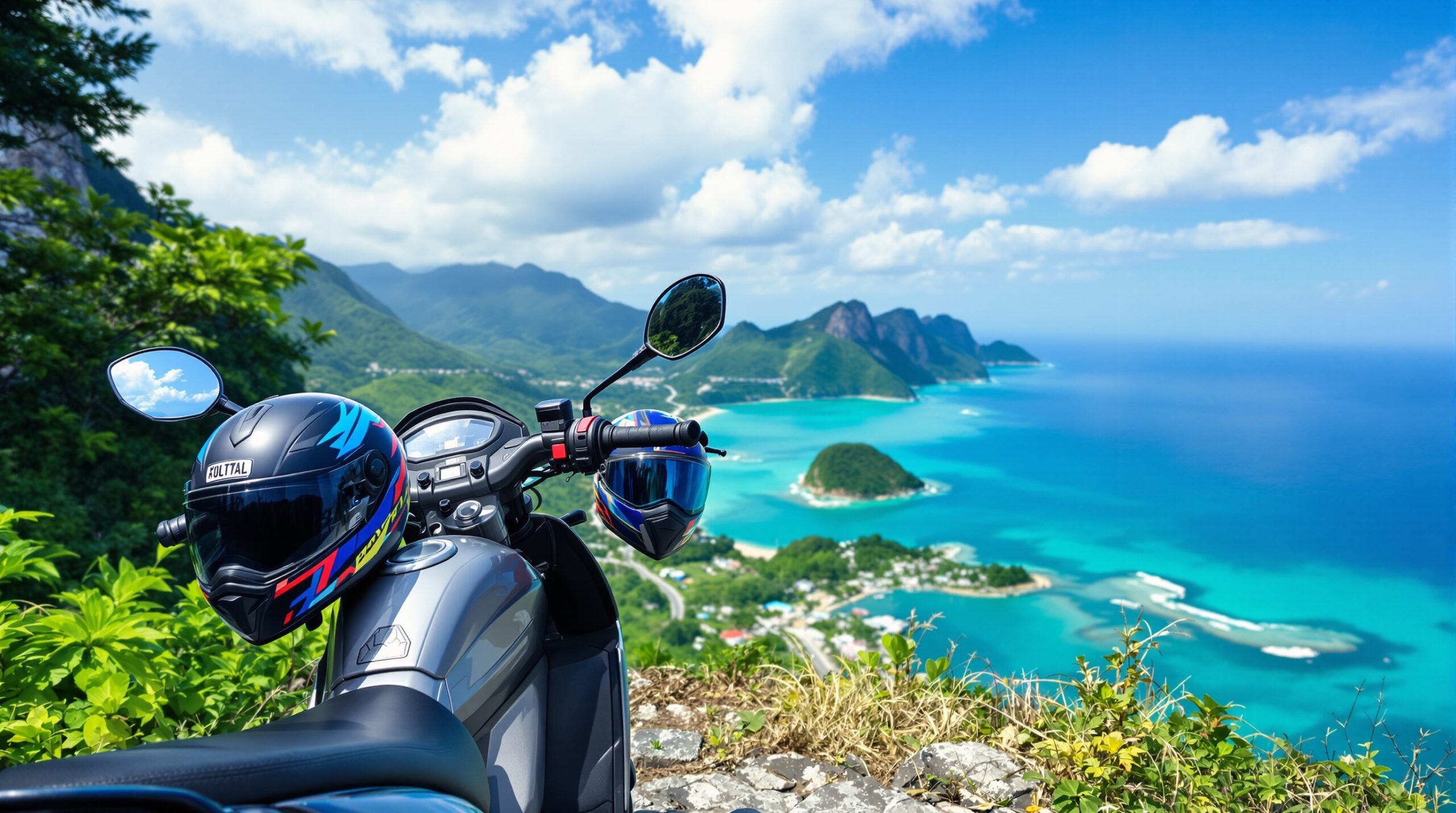
Phu Quoc is a 50km-long island with no tourist-useful public transport — so how you get around shapes your whole trip. The short answer: Grab covers a resort-based trip for pocket change; a $6/day scooter unlocks the island’s best corners; and a private driver day is the underrated move for groups. Here’s the honest breakdown, with real prices.
Option 1: Grab — the no-stress default
- What: Vietnam’s ride-hailing app; cars and motorbike-taxis, fixed upfront pricing, cashless if you want.
- Costs: short hops 40–80k VND ($2–3); cross-island rides 150–350k ($6–14). Airport runs from ~120k.
- Coverage reality: excellent around Duong Dong, Long Beach and the south; thinner in the far north and east — you may wait, or strand yourself at remote beaches at sunset. Book return rides before signal-free zones.
- Best for: resort trips, nights out (never drive after beers), families.
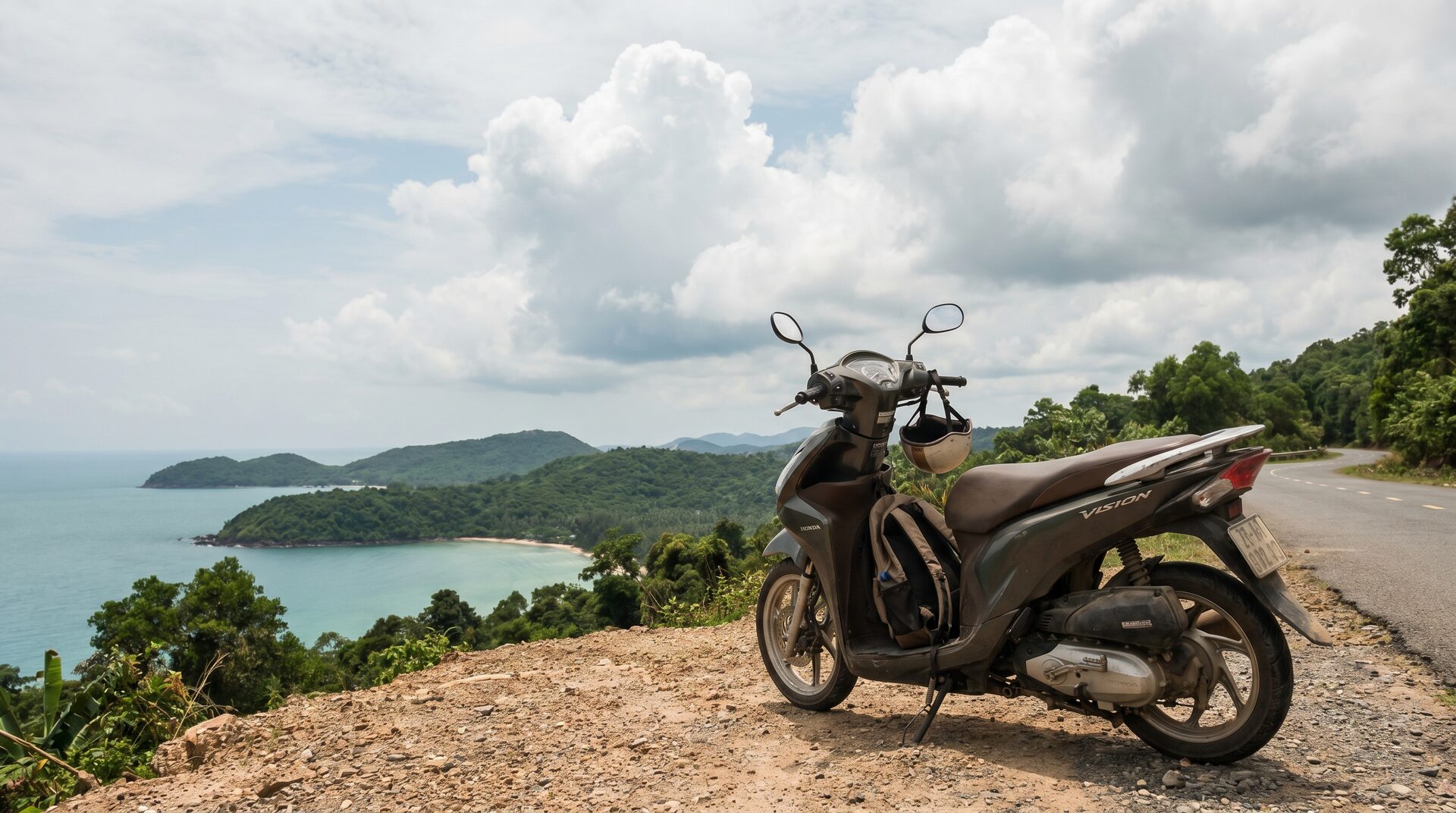
Option 2: Scooter — freedom for $6 a day
- Cost: $5–8/day from hotels and rental shops everywhere; ~$60–80/month for long-stayers. Fuel is cheap — a few dollars fills the tank.
- Why: Starfish Beach, Bai Dai’s wild stretches, pepper farms, random roadside seafood shacks — the island’s best texture is scooter-only territory.
- The legal part (read this): to ride legally and keep your travel insurance valid, you need a motorcycle-endorsed license plus an International Driving Permit (IDP) from home. Plenty of tourists ride without; if there’s an accident, that decision gets expensive fast.
- Safety, honestly: main roads are good and traffic is gentler than mainland Vietnam, but rain slicks, sandy shoulders and construction trucks are real. Helmet always (it’s the law), daylight only for new riders, no phone-in-hand navigation — mount it.
- Best for: confident riders, explorers, budgets.
Option 3: Private car + driver — the group cheat code
- Cost: roughly $40–60 for a full day (8 hours), seat 4–7 — split among a family or group it beats a day of Grabs.
- Why: air-con, luggage space, a driver who knows the good pepper farm, zero navigation stress. Arrange through your hotel or book a day-tour car online.
- Best for: families, north-island day trips, rainy-season days when scooters lose their charm.
Option 4: Bicycle — for short and brave distances
Free or cheap from many hotels. Fine for a flat kilometer to dinner; punishing under midday tropical sun for anything more. Think of it as resort-neighborhood transport, not island transport.
Distance Reality Check (from Long Beach)
- Duong Dong town / night market: 5–15 min
- Airport: 15–25 min
- Sao & Khem beaches, cable car (south): 30–45 min
- Ong Lang / Cua Can: 15–25 min
- VinWonders / Safari (north): 40–50 min
- Starfish Beach / Ganh Dau (far north): 60–75 min, last stretch bumpy
Which One Is You?
- Resort week, occasional outings: Grab only — you’ll spend maybe $30 all trip.
- 3-day highlights run: Grab + one boat/tour day — see our itinerary.
- Explorer or long-stayer: scooter, with the IDP sorted before you fly.
- Family or group of 4+: Grab for short hops + one private-driver day for the north.
Do Rental Shops Really Keep Your Passport?
Some ask, and our advice is to politely decline. Offer a cash deposit or a passport photocopy plus your hotel details instead — most shops on the island accept one or the other. Your passport is the one document you cannot replace locally, and hotels legally need it for check-in registration.
Hotel-arranged rentals are the easy workaround: when the bike comes through your accommodation, the deposit question usually evaporates because they already know where you sleep. Independent shops vary — some are relaxed, some insist. If a shop will only rent against your actual passport and refuses any alternative, we simply walk to the next one; on Phu Quoc there is always a next one.
Before You Ride Off: The Two-Minute Rental Check
Rental bikes here range from nearly new to visibly tired, and the price rarely tells you which you are getting. A quick inspection before you hand over money prevents both breakdowns and disputes when you return the bike. Film a slow walk-around video on your phone — every scratch, both mirrors, the odometer — before leaving the lot. It takes thirty seconds and settles any damage disagreement instantly.
| Check | What to look for |
|---|---|
| Brakes | Both levers bite firmly before reaching the grip; test at walking speed in the lot |
| Tires | Visible tread, no cracking sidewalls — sandy shoulders punish bald tires |
| Lights + horn | Headlight, brake light, and horn all work; the horn is a communication tool here |
| Helmet | A real one that clips snugly, not a decorative shell — ask to swap if it wobbles |
| Existing damage | Video every scratch with the shop watching, so the record is mutual |
| Fuel level | Bikes often come near empty; note the nearest petrol station before setting off |
One more habit that costs nothing: save the shop’s phone number in your phone before you leave. A flat tire in the far north turns from crisis to twenty-minute wait when you can call the owner, and most will send someone out. Roadside repair stands exist along the main routes too — look for a tire leaning against a pole — but your rental shop should be the first call.
Wet-Season Riding: How We Adjust
From roughly May through October the island’s rain arrives mostly as short, violent squalls rather than all-day washouts — we cover the pattern in detail in our rainy season guide. The riding adjustment is simple: when the sky goes dark, pull into the nearest café and wait it out. Twenty minutes of iced coffee beats any poncho, and locals do exactly this.
The genuinely dangerous window is the first few minutes of rain after a dry spell, when oil and dust lift off the asphalt and the road turns greasy. Slow down, brake early, and skip painted road markings, which get slick. After dark, add unlit stretches and the occasional sleeping dog to the hazard list — in the wet months we default to Grab for evenings and keep the scooter for daylight. It is still the cheapest freedom on the island, and a big lever in the overall Phu Quoc budget — the wet season just asks for slightly more patience per kilometer.
FAQ
Is Grab cheaper than taxis on Phu Quoc?
Usually 10–20% cheaper, and the fixed upfront price removes meter anxiety. Reputable metered taxis are a fine backup when the app shows no cars.
Can I rent a car and self-drive?
Self-drive car rental for foreigners remains impractical in Vietnam (license recognition issues). The car-with-driver format exists because it’s the workable version — and at $40–60/day, it’s fair.
Do police stop tourists on scooters?
Checkpoints happen occasionally. With a proper license + IDP and a helmet, they’re a non-event. Without, expect a fine — and know your insurance likely won’t cover you in a crash regardless of police.
How do locals get around?
Scooters, overwhelmingly — which is why rentals are everywhere and roads are built for them.
Bottom Line
Grab for ease, a scooter for the real island, a driver-day for the family logistics — and any combination costs less per day than a resort cocktail. Decide how far off the strip you want to wander, and pick accordingly.
Some links in this guide are affiliate links: if you book through them we may earn a small commission at no extra cost to you. It helps keep our guides honest and free.
Get our free Phu Quoc Trip Kit — the pre-departure checklist, a 5-day plan and our honest booking picks. No spam; at most one email a month.
By subscribing you agree to our privacy policy. Unsubscribe anytime.