Fifty kilometers south of Saigon’s rooftop bars, the city dissolves into a UNESCO-listed mangrove forest where speedboats thread brown-water canals, monkeys run the parking lots, and a seafood market sells crab by the plastic tub. Can Gio is Ho Chi Minh City’s forgotten green lung — technically the same city as District 1, practically another century. We did this run ourselves — ferry, speedboat, monkeys, market (the photos in this guide are from that visit) — and it remains the day trip we recommend to travelers who have already ticked Cu Chi and want the version without the crowds.
Short version: Can Gio is a half-wild wetland day, not a polished attraction. Go for the speedboat ride through the mangroves to the Rung Sac guerrilla base, treat Monkey Island with respect (they are thieves), eat seafood picked live from a tub, and go soon — a bridge from the city broke ground in 2026 and a mega-resort city is rising on the coast, so the sleepy version of Can Gio is on the clock.
What Can Gio Actually Is
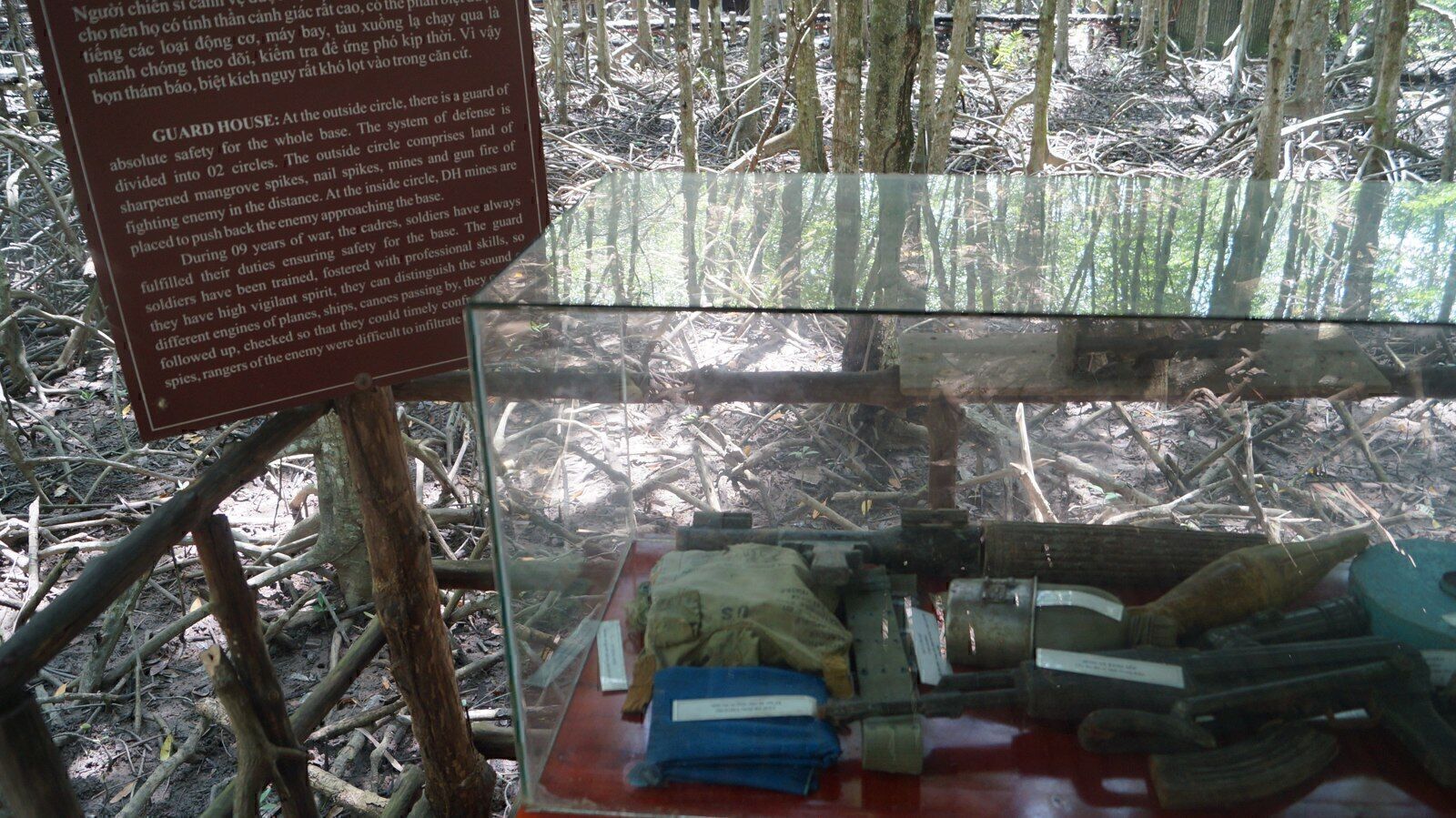
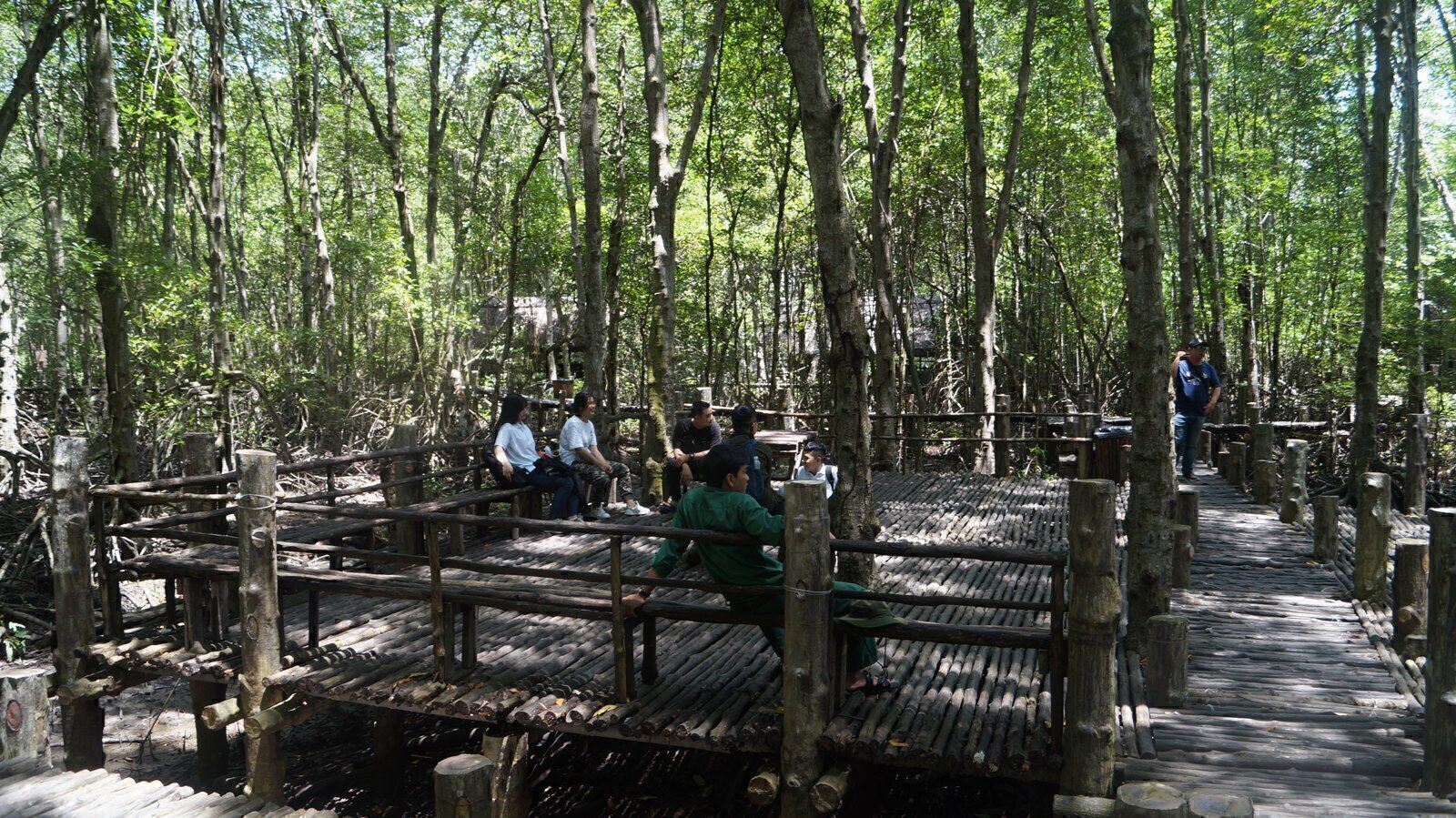
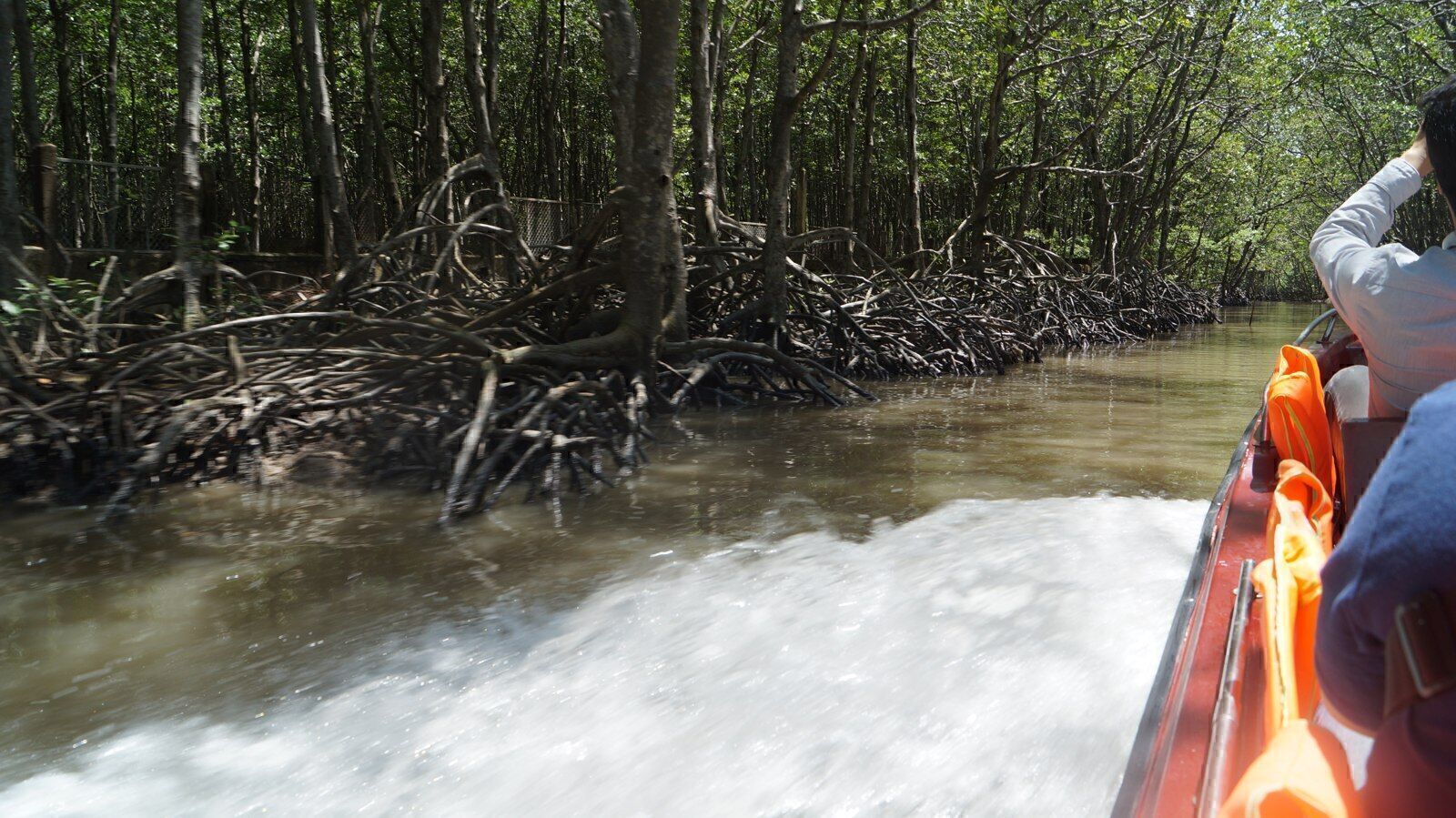
Can Gio is a district of Ho Chi Minh City that happens to be a 75,000-hectare mangrove biosphere reserve, recognized by UNESCO in 2000. The forest you see today is a replanting triumph: American defoliants wiped out the original mangroves during the war, and Vietnam spent the decades since patiently growing them back. That history is the point of the main sight — the Rung Sac guerrilla base, a reconstruction of the swamp hideout from which commandos staged raids on Saigon’s ports, reached by speedboat through canals the width of a bus. Between the war exhibits, the wildlife (long-tailed macaques, crocodiles in the flooded forest, clouds of water birds) and the fishing-port seafood, it makes a full and genuinely strange day out.
Set your expectations honestly: this is not Ha Long Bay. The water is delta-brown, the beach at 30 Thang 4 is grey-black sand, and the infrastructure is provincial. What Can Gio offers is the real texture of the delta an hour from your hotel — and in our experience that lands better with slow travelers than another manufactured attraction. It pairs naturally with the philosophy in our slow travel guide: fewer sights, more place.
Getting There: Ferry Logic
The classic route is half the fun. From the city, you cross the Soai Rap arm of the delta at the Binh Khanh ferry — a rusty, glorious scrum of motorbikes and fruit vendors that costs pocket change — then run a long, straight causeway road through shrimp farms to the coast. Three ways to do it:
- Motorbike (our pick): about 1.5–2 hours each way including the ferry. The causeway is flat, uncrowded and easy riding by Vietnam standards.
- Public bus: catch a city bus to the Binh Khanh ferry, cross on foot, then bus 90 on the far side runs to the Rung Sac park entrance. Cheap, slow, very local.
- Tour: day tours with hotel pickup run roughly $35–40 per person and bundle the speedboat, Monkey Island and the crocodile reserve — worth it if you want zero logistics. Compare Can Gio tours here.
Inside the park, the speedboat to the guerrilla base is booked at a wooden kiosk on the water — cash, a handful of dong, tickets torn from a pad. It was the least digital transaction of our whole trip, and we mean that as a compliment.
Monkey Island: Enjoy, But Hold Your Bag
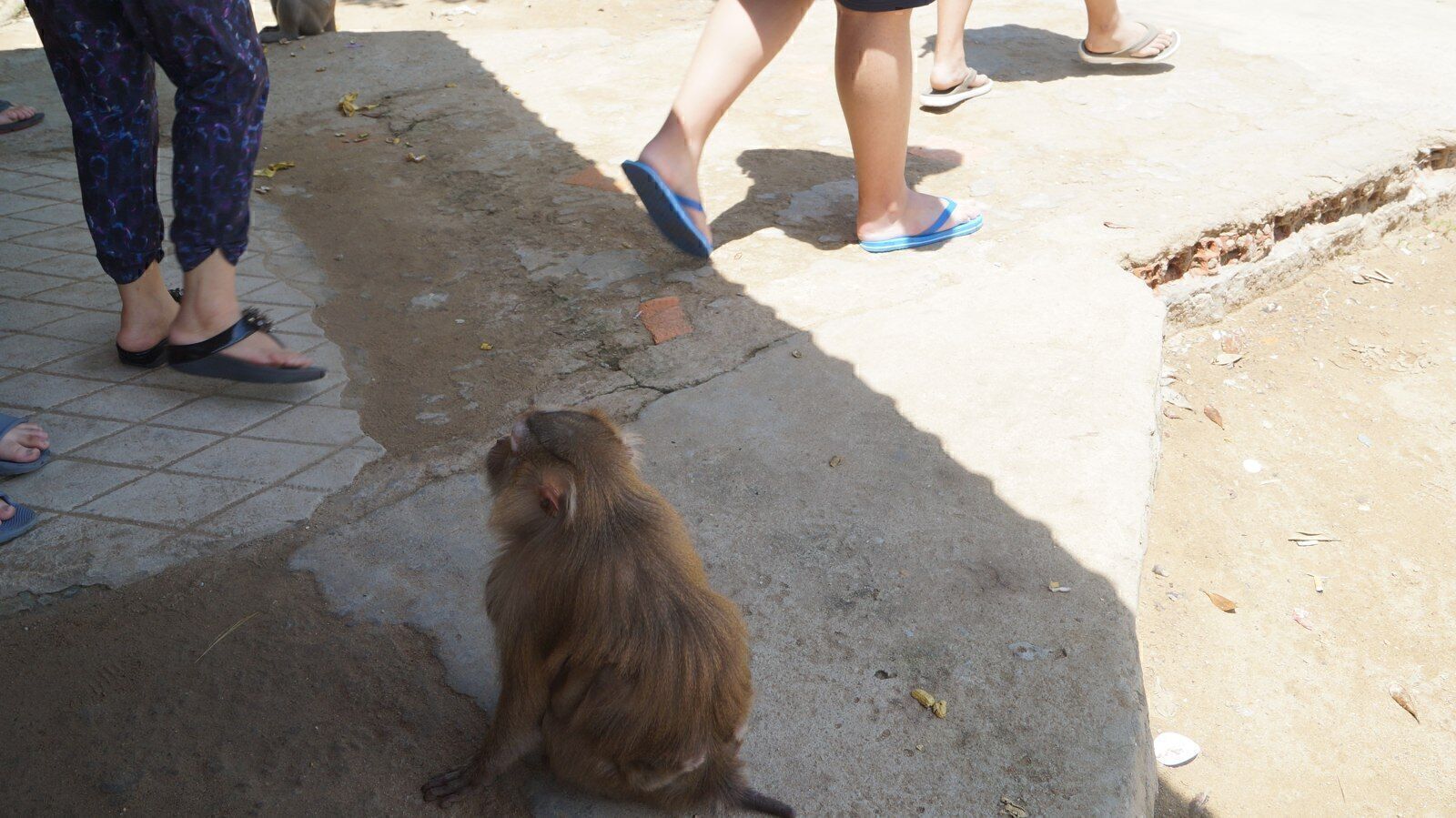
The macaques are the celebrities of Can Gio and the reason half the visitors come. More than a thousand of them live semi-wild around the reserve, and they are charming exactly until they are not: sunglasses, phones, water bottles and anything dangling from a bag strap are considered fair game. Keep valuables zipped inside, do not hand-feed them, and they are a delight to watch — especially the mothers with infants working the shade lines in the early afternoon. Treat it as wildlife viewing rather than a petting zoo and it is one of the better animal encounters in southern Vietnam; the flooded-forest crocodile enclosure nearby is the other one.
Eat at the Seafood Market
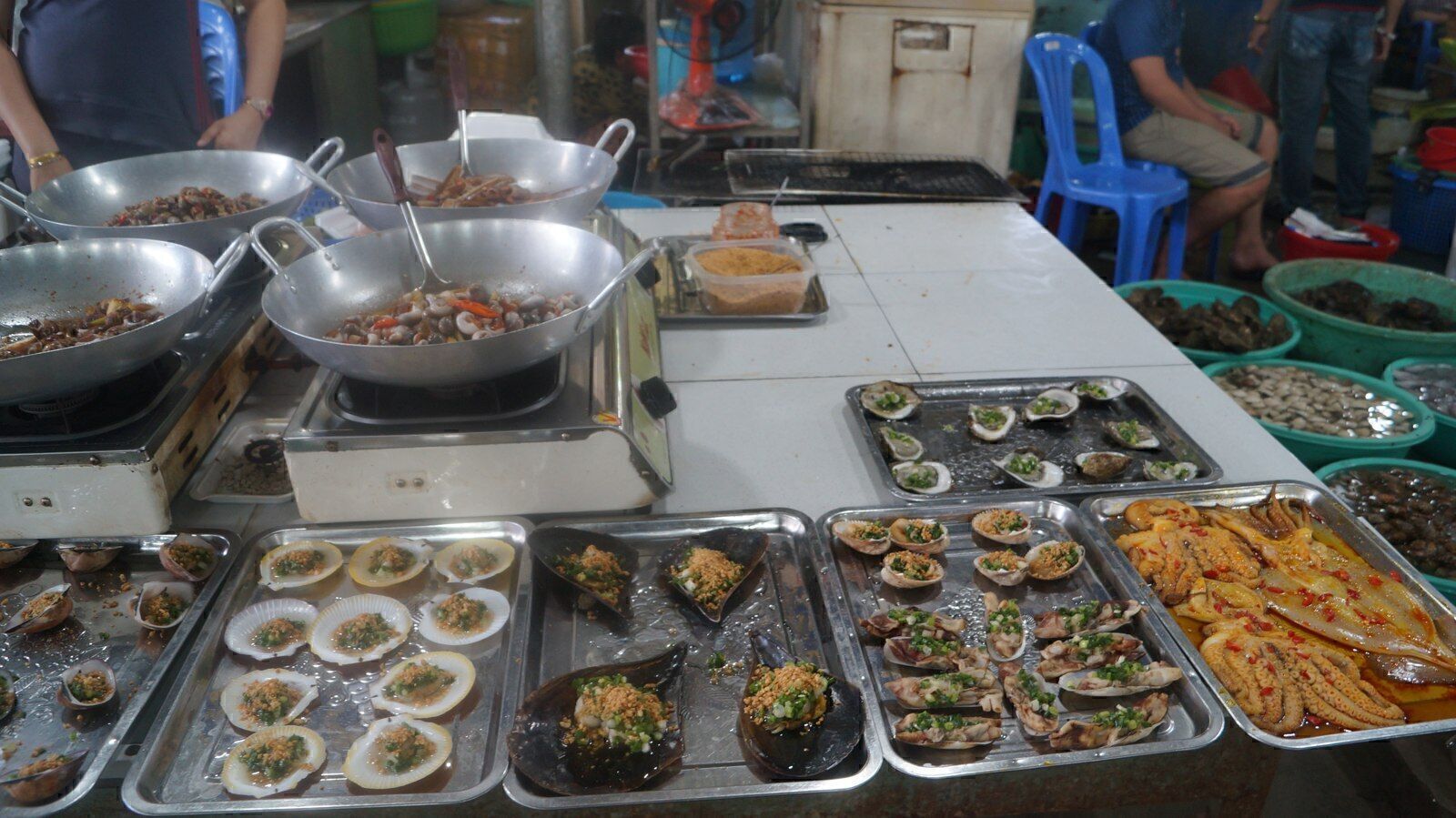
Finish in Can Gio town at the Hang Duong seafood market, where the day’s catch sits alive in colour-coded tubs — mantis shrimp, blood cockles, snails in a dozen sizes, crabs bound with string — and the stalls at the back will grill, steam or wok-fry whatever you point at for a small cooking fee. It is the delta’s answer to a beach club: plastic stools, cold drinks, scissors for the shells. Prices are honest by tourist standards but agree them before cooking. If this kind of eating is your travel love language, the overnight version of it lives four hours west in Can Tho and the Mekong Delta.
Go Soon: The Clock Is Ticking
For decades Can Gio stayed sleepy because it was hard to reach — the ferry was the only way in. That era is ending. A 6.3-kilometer bridge connecting Can Gio directly to the city broke ground in early 2026, a second sea-crossing link toward Vung Tau is in the pipeline, and construction started in 2025 on Vinhomes Green Paradise, a 2,870-hectare reclaimed coastal city with resorts and what is billed as one of the world’s largest artificial lagoons. The mangrove core is protected, and the new access will make visiting easier — but the end-of-the-road fishing-district atmosphere that makes Can Gio special will not survive the decade unchanged. We are glad we saw the quiet version; if you want it too, put it on this trip rather than the next one.
Practical Notes
- Timing: leave the city by 7:30 a.m., beat the heat on the water, eat at the market at lunch, ride back mid-afternoon before the ferry queue builds.
- Season: the dry months (roughly December–April) are most comfortable; in the rainy season go in the morning, when downpours are least likely.
- Bring: sun cream, a hat, insect repellent for the boardwalks, and small cash — almost nothing out here takes cards.
- Base: any central Saigon hotel works as a launchpad — District 1 or District 3 keep you near the ferry road, and our Saigon slow guide has the neighborhood logic.
FAQ
Is Can Gio worth visiting?
Yes — if you take it for what it is: a wetland ecology and war-history day with a great seafood lunch, not a postcard landscape. Travelers who loved Cu Chi but wished it were quieter tend to rate Can Gio highly; travelers expecting turquoise water should fly to Phu Quoc instead.
Can Gio or Cu Chi tunnels — which day trip is better?
Cu Chi is the more famous war site and the easier half-day. Can Gio is the fuller day: boat ride, wildlife, market lunch and far fewer buses. If you have time for both, do Cu Chi first for context — Rung Sac tells the same resistance story from the swamps. Avoid stacking them on consecutive days; both involve real road time. And if your stomach outranks your inner naturalist, the Vung Tau bánh khọt day is the third classic escape.
Do I need a tour for Can Gio?
No — the motorbike-and-ferry run is one of the easiest DIY day trips from Saigon, and everything inside the park is pay-at-the-kiosk. A tour earns its fee if you want hotel pickup and a guide to translate the war exhibits, which are thinly labeled in English.
Are the monkeys dangerous?
Not dangerous, but professionally light-fingered. Zip everything, keep food out of sight, do not dangle phones or sunglasses, and skip hand-feeding. Watched from a sensible distance, they are the highlight of many visitors’ day.
How long does a Can Gio day trip take?
Plan on a full eight-to-nine-hour day door to door: roughly two hours’ travel each way including the ferry, two to three hours in the mangrove park and guerrilla base, an hour with the monkeys, and a long seafood lunch in town.
Some links in this guide are affiliate links: if you book through them we may earn a small commission at no extra cost to you. It helps keep our guides honest and free.
Get our free Phu Quoc Trip Kit — the pre-departure checklist, a 5-day plan and our honest booking picks. No spam; at most one email a month.
By subscribing you agree to our privacy policy. Unsubscribe anytime.