November is the month Vietnam finally works almost everywhere at once. The south’s rainy season ends — abruptly, like a switch — and Phu Quoc opens its long dry stretch. The north holds onto its golden autumn for a few more weeks. Ha Long Bay serves its clearest skies of the year. Only one region sits out the party, and it’s the one that trips up more November itineraries than any other: the central coast, still deep in its flood season. Here’s the full region-by-region picture.
This guide is part of our month-by-month series — start with the best time to visit Vietnam for the full-year map.
Short version: November is the first month of Vietnam’s high season, and it beats December on both price and crowds. Anchor your trip on the two ends of the country — Hanoi and the north early in the month, Saigon and Phu Quoc any time — and treat Da Nang, Hoi An and Hue as next-trip material, because their rain and flood risk runs through November before easing in December.
The One Map That Explains November
| Region | November weather | Verdict |
|---|---|---|
| South (Saigon · Mekong · Phu Quoc) | Dry season switches on — sunshine returns, humidity drops, seas calm | ✅ Go — beach season begins |
| North lowlands (Hanoi · Ninh Binh · Ha Long) | Golden autumn continues; clear, cool, dry — chilly evenings by late month | ✅ Prime weeks, especially early November |
| Far north mountains (Sapa · Ha Giang) | Dry and clear; buckwheat flowers linger early month, nights turn genuinely cold | 🟡 Beautiful days, pack for single-digit nights |
| Central coast (Da Nang · Hoi An · Hue) | Peak flood season continues — heavy rain events and swollen rivers into early December | 🔻 Still the region to route around |
The South Switches On
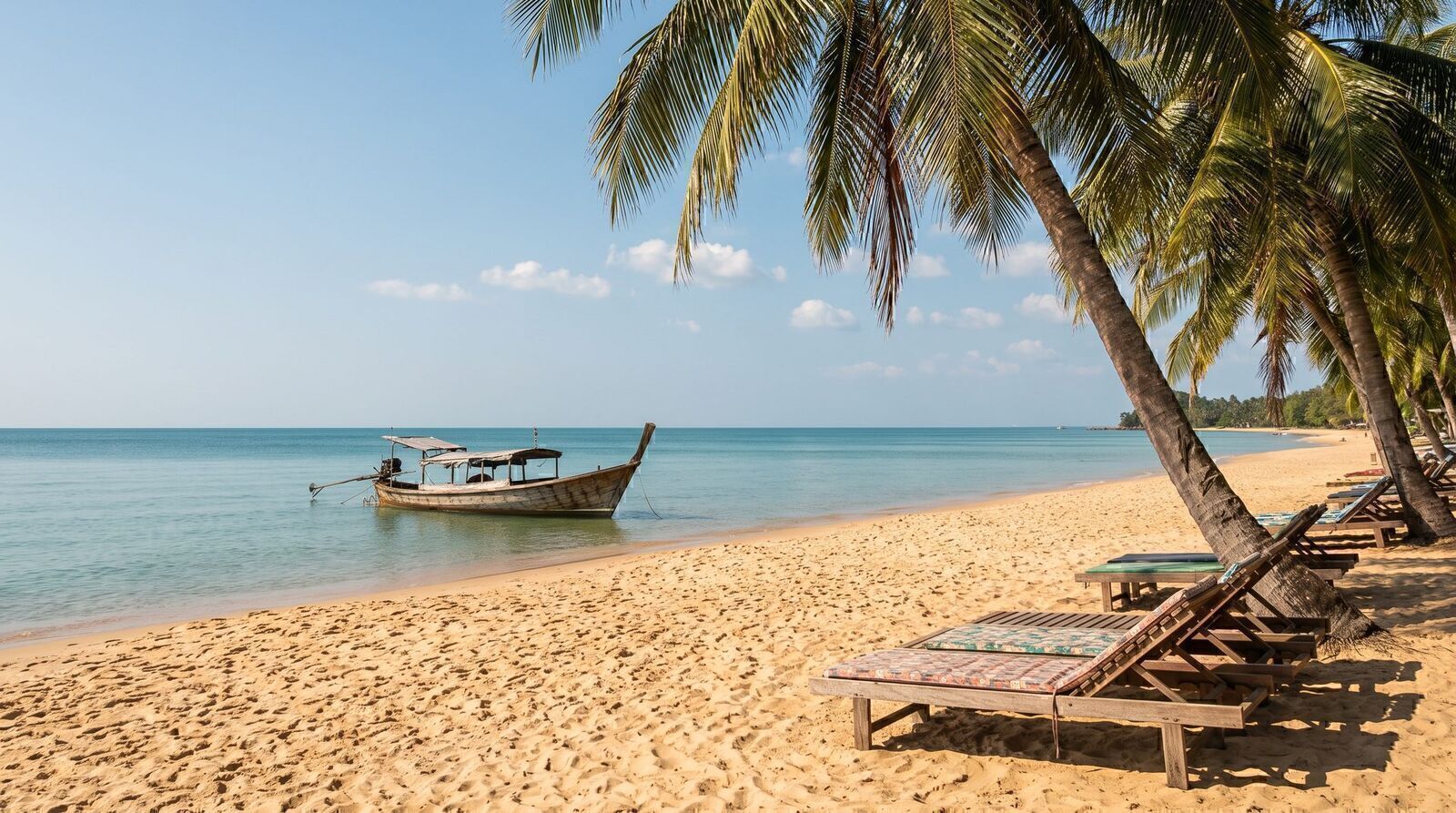
Somewhere in the first days of November, southern Vietnam’s weather flips with almost comic reliability: the afternoon monsoon engine shuts down, skies clear, and the entire Mekong-and-islands map becomes easy. Saigon turns into a rooftop-and-sidewalk city again — our Saigon slow guide is built for exactly these weeks — and the Mekong Delta rides its post-flood lushness into the dry season.
Phu Quoc is the headline act. November 1 is effectively the island’s opening day: west-coast seas flatten back to swimming-pool calm, sunset season resumes, and every operator wakes from the wet-season lull. The trick is that hotel rate calendars flip to full high-season pricing from mid-November onward — but the weather arrives weeks earlier, which makes early November the single best value-to-weather window of the island’s year. We broke that arbitrage down day-by-day in Phu Quoc in November, with the year-round context in the best-time guide. If a beach week is the goal, comparing early-November Phu Quoc dates against December quotes shows the gap plainly — same weather, 25–40% less. For the water-and-island side, cable car rides, snorkeling boats and the island’s headline activities all resume full schedules; comparing Phu Quoc activities a few days ahead beats booth pricing once the crowds build.
The North: Autumn’s Second Half
Hanoi in November is the city at its most likable — dry air, 20–26°C days, golden light, and the outdoor life (lakeside mornings, sidewalk coffee, long walks) that summer makes impossible. The texture shifts across the month: early November is still shirt-sleeves autumn; by the final week, evenings want a real jacket and the first grey spells hint at the misty northern winter. If Hanoi is a priority, front-load it. Six slow days’ worth of material is in our Hanoi guide.
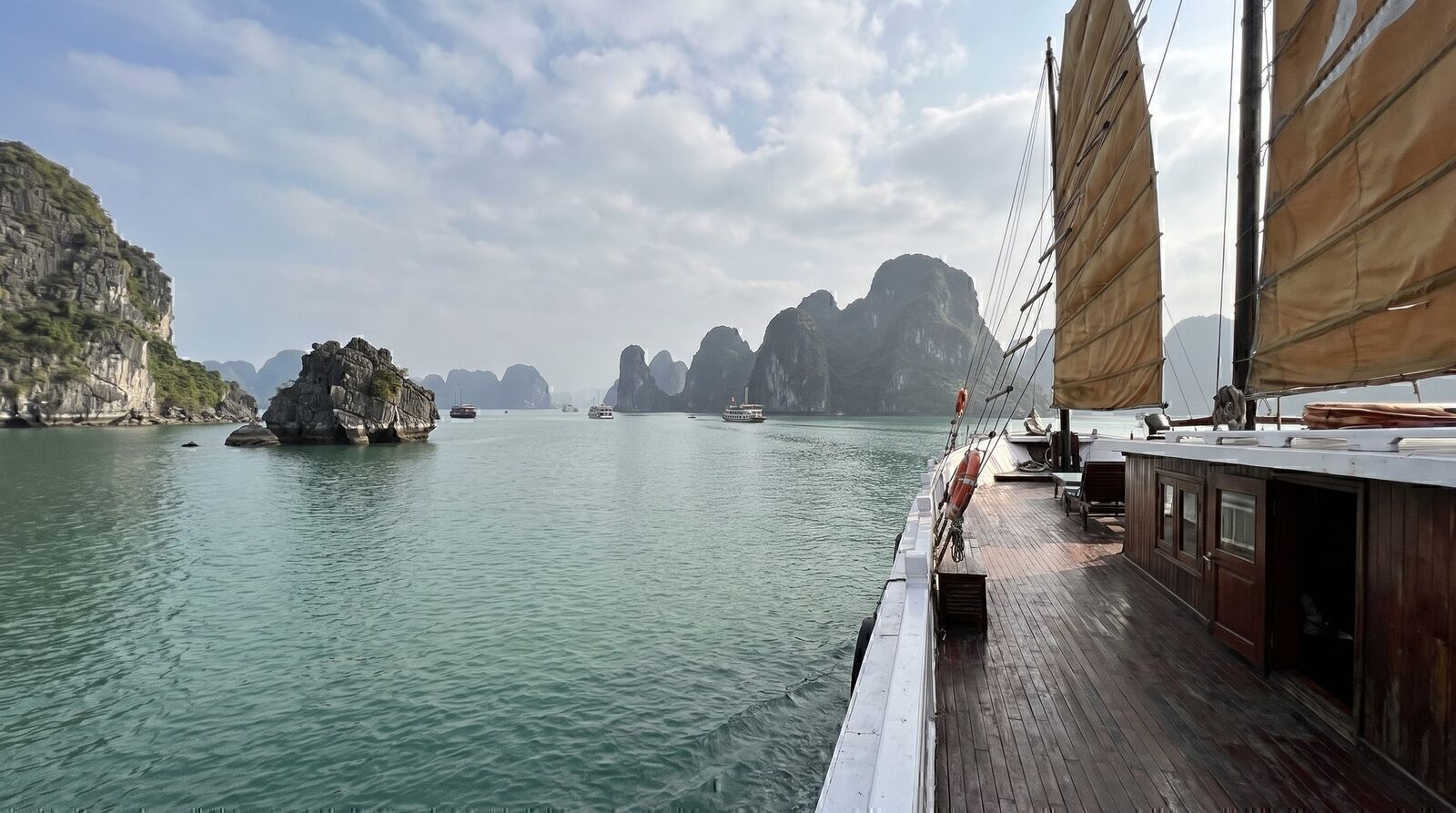
Ha Long Bay hits its best cruising conditions of the year in November — the summer haze is gone, typhoon season is over, and the karst towers stand in genuinely clear air. It’s also the start of peak demand, so the good boats’ best cabins book out first; our cruise-picking guide covers how to choose. Ninh Binh delivers the same clear, cool formula for karst scenery at river level.
The far-north mountains are the month’s conditional pick: Ha Giang’s buckwheat bloom runs into early November and the dry roads make it the loop’s most reliable riding month — but nights at altitude drop toward single digits, and Sapa’s higher lodges get properly cold. Gorgeous days, serious layers. The comparison in Sapa vs Ha Giang still applies; just add gloves.
The Central Coast: Why November Still Says Wait
Here’s the mistake November itineraries make most: assuming “high season started” applies to the whole country. Da Nang, Hoi An and Hue run on a different calendar — their heaviest rain and flood events cluster in October and November, when tropical systems and the northeast monsoon stack rain against the mountains. This is when Hoi An’s riverfront goes under water in bad years, and when a beach plan on My Khe spends most days watching a grey, churning sea.
The region reopens for business around mid-to-late December and peaks from February onward. If lantern town evenings are your dream, hold them for another trip — or accept museum-and-cafe weather with hotel rates at their annual floor. Our Hoi An guide and Da Nang guide cover both towns’ rhythms for when the calendar cooperates.
A Sane 12-Day November Route
- Days 1–3: Hanoi. Autumn streets, lakes and food — the earlier in the month, the warmer the evenings.
- Days 4–5: Ha Long Bay overnight cruise. The year’s clearest karst views; book the cabin, not the leftover.
- Days 6–7: Ninh Binh. Boat caves and viewpoints in cool, dry air before heading south.
- Days 8–9: Saigon. Fly down into the fresh dry season — rooftops, museums, food crawls.
- Days 10–12: Phu Quoc. Finish on the beach as the island switches on; early-month travelers get high-season weather at shoulder prices.
It’s the classic two-ends route — north for culture and karst, south for sun — with the central coast deliberately absent. Travelers with more time can slow either end down; the case for picking one base and staying longer is in our where-to-base guide, and November is the month the slow route works at both ends at once.
Prices and Crowds: The November Economics
November splits into two pricing halves. The first half is the steal: high-season weather across the north and south with hotel rates still in shoulder mode, and flight prices well below the December surge. From mid-month, the calendar flips — Phu Quoc resorts step up 25–40%, Ha Long’s best cabins tighten, and the run-up to Christmas and Tet begins in earnest. Two rules of thumb: anything beachfront for late December should be booked this month, not next; and the central coast’s rock-bottom November rates are cheap for a reason. Crowd-wise, November stays comfortable everywhere — the European winter-escape wave and domestic holiday rushes both land in December, which is exactly why November regulars keep coming back in November.
What to Pack for Vietnam in November
- A real jacket for the north — late-November Hanoi evenings sit in the mid-teens, and mountain nights go much lower.
- Sunscreen for the south — the dry-season sun on Phu Quoc arrives at full strength from day one.
- Layers over bulk — a 12°C Sapa morning and a 31°C Saigon afternoon can share one itinerary.
- Swimwear you trust — southern seas are calm again; this is snorkeling-season kickoff on the islands.
- An eSIM installed before you land — high season means booking on the move (our Vietnam eSIM setup).
FAQ
Is November a good time to visit Vietnam?
It’s one of the best months of the year — arguably the best all-round. The south’s dry season begins, the north is in late golden autumn, and Ha Long Bay has its clearest skies. Prices and crowds also sit below the December peak. The one exception is the central coast (Da Nang, Hoi An, Hue), which is still in flood season.
Is November better than December for Vietnam?
For most travelers, yes. The two months share similar weather in the north and south, but November — especially the first half — runs 25–40% cheaper on beach hotels, with thinner crowds and easier bookings. December counters with slightly more settled seas and the festive atmosphere; it’s the right pick only if the holiday timing itself is the point.
Is Phu Quoc good in November?
Yes — November is the island’s switch-on month. Seas calm, sunshine returns, and every activity resumes full schedules. Early November is the value play: dry-season weather with shoulder-season prices before rates step up mid-month. The full week-by-week picture is in our Phu Quoc in November guide.
Should I visit Hoi An in November?
Only with your expectations set: November sits inside Hoi An’s flood season, and the old town takes water in bad years. Many November days are merely grey and walkable, and hotels are at their cheapest — but a first-time, photo-driven Hoi An visit is better aimed at February through August.
How cold is northern Vietnam in November?
Comfortable by day, cool by night. Hanoi runs roughly 20–26°C in daylight and dips toward 15°C in late-month evenings. The mountains are another story — Sapa and the Ha Giang plateau see single-digit nights by month’s end, so high-altitude travelers should pack a genuine warm layer, not just a hoodie.
Some links in this guide are affiliate links: if you book through them we may earn a small commission at no extra cost to you. It helps keep our guides honest and free.
Get our free Phu Quoc Trip Kit — the pre-departure checklist, a 5-day plan and our honest booking picks. No spam; at most one email a month.
By subscribing you agree to our privacy policy. Unsubscribe anytime.