We spent a week in Da Nang this June, based in An Thuong — the beach neighborhood most first-timers end up googling about — and walked or Grabbed through every other area you’d consider staying in. This guide is the answer I wish I’d had before booking: what each part of Da Nang actually feels like on the ground, who it suits, and the honest trade-offs between them.
Short version: first visit, beach priority → stay in An Thuong or on the My Khe beachfront (the base our 3-day Da Nang itinerary is built around). Nightlife, river views and a more “city” feel → the Han River side. Full resort mode → the Non Nuoc strip south of town. Details below.
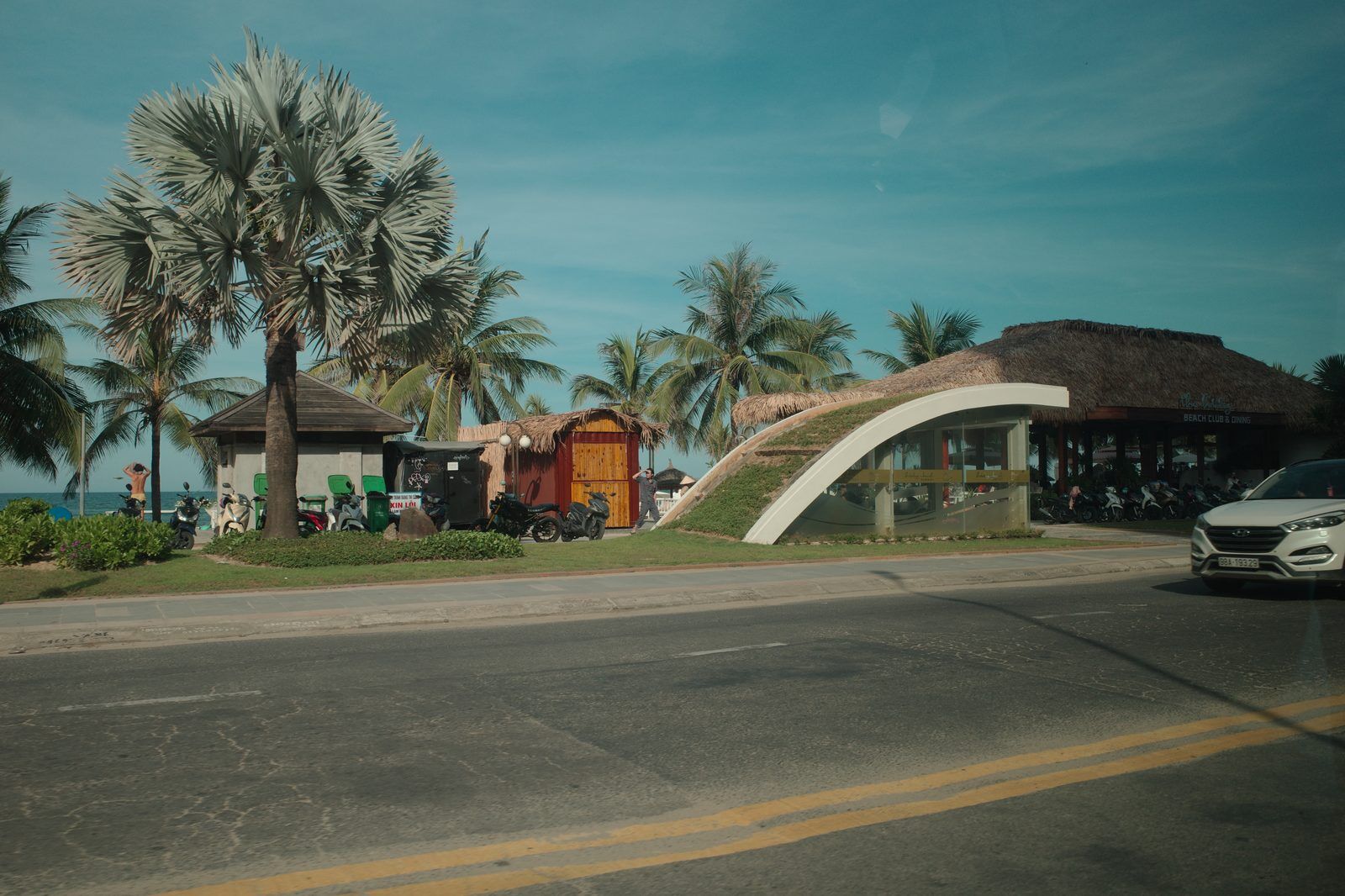
An Thuong: Where We Stayed, and Where I’d Stay Again
An Thuong is the compact grid of numbered streets (An Thuong 1 through 30-something) tucked behind the middle stretch of My Khe Beach. It’s Da Nang’s international quarter: surf hostels next to Korean BBQ, smoothie stands next to co-working cafes, and a 24-hour convenience store never more than a block away.
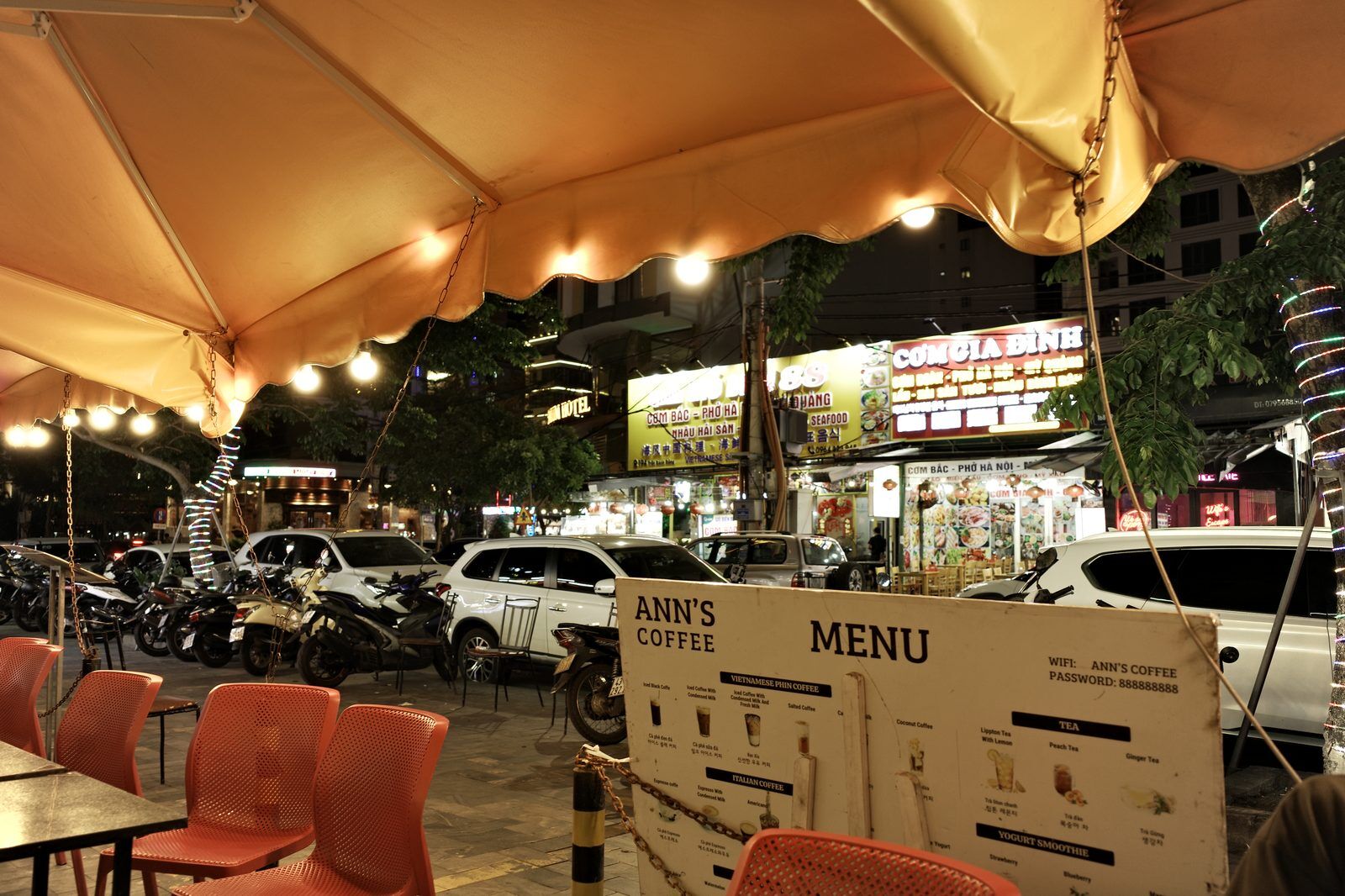
What it’s actually like: you wake up, walk five minutes, and you’re swimming before breakfast. The neighborhood runs on a pleasant international hum — busy but not rowdy, with a 11 p.m. wind-down rather than a party scene. We paid mid-range apartment prices; as of mid-2026, clean guesthouses run roughly $15–25 a night, decent hotels with pools $30–60, and serviced apartments for longer stays $350–600 a month. That value, plus walkability, is why it’s the default recommendation for first-timers and remote workers alike.
Trade-offs: it’s the most “touristy” pocket of the city (in a functional, food-court way rather than a Khao San way), beach-facing rooms catch some road noise, and you’re a 10–15 minute Grab from the Han River sights.
The My Khe Beachfront Strip
The high-rise hotels directly on Vo Nguyen Giap road — many with rooftop pools and sea-view floors — suit travelers who want the beach at maximum convenience with hotel amenities. You give up the neighborhood feel: crossing lobby-to-sand is effortless, but dinner usually means the hotel restaurant or a Grab, because the immediate strip is more hotel-and-beach-club than local streets. Prices are surprisingly humane for oceanfront: $40–80 gets a genuinely nice sea-view room outside peak holidays.
One thing we noticed staying nearby: the beach itself resets daily. Mornings belong to local swimmers at 5 a.m., middays are empty (the heat is serious — see our full Da Nang guide for the seasonal picture), and from 4:30 p.m. the whole city migrates back into the water.
Han River / City Center: For the Urban Version of Da Nang
Across the river bridges, Da Nang becomes a proper Vietnamese city — government buildings, the Han Market, the Dragon Bridge fire show on weekend nights, and food that skews local rather than international.
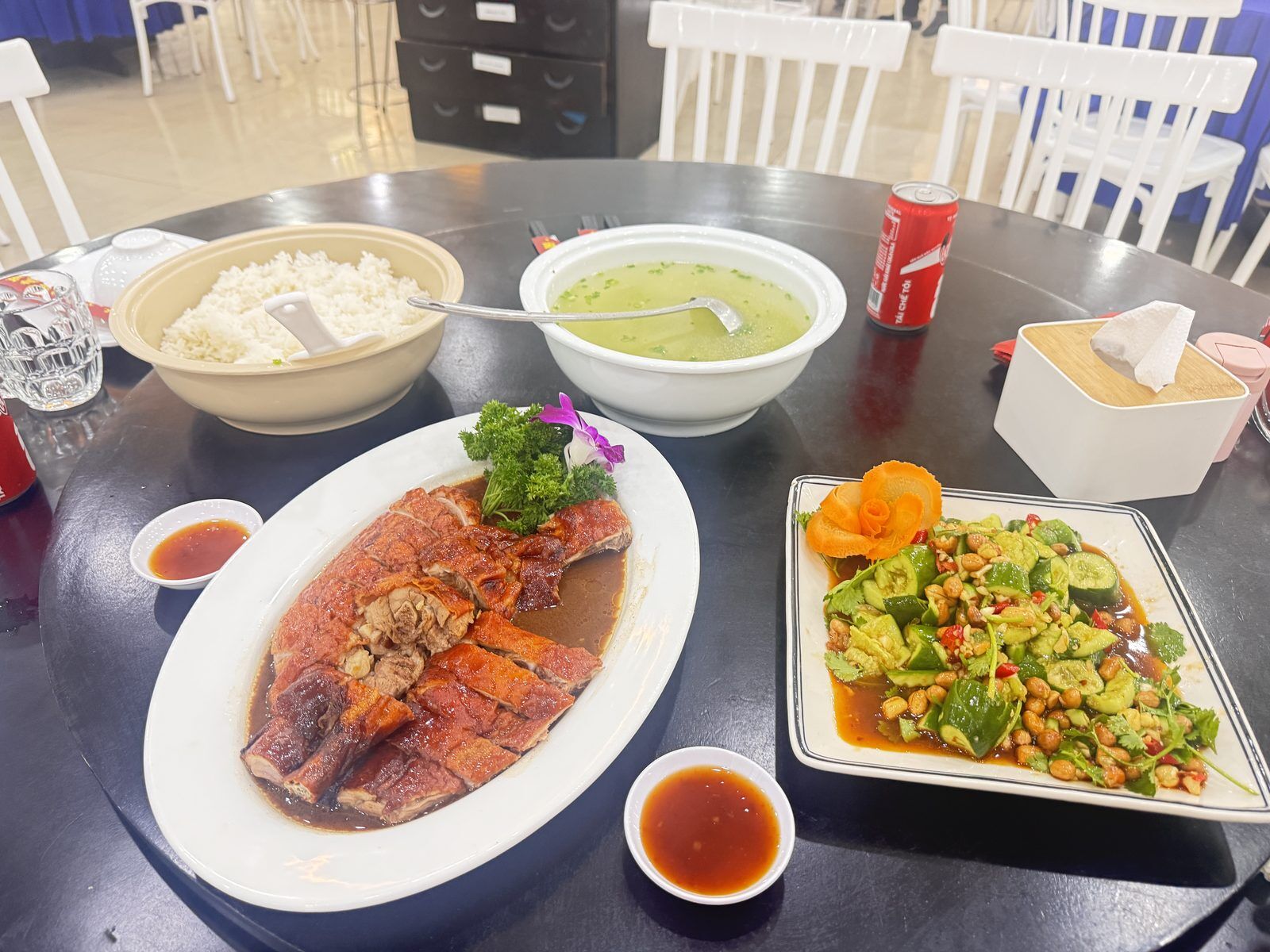
Stay here if river views at night matter more than morning swims, if you’re a street-food-first traveler, or if you want lower prices — comparable rooms run maybe 20–30% cheaper than the beach side. The catch: reaching the sand means a 10–20 minute ride each way, which in practice means you’ll swim less than you think.
Non Nuoc & the Resort Strip
South of My Khe, toward the Marble Mountains, the coast turns into a line of large resorts with private beach frontage. It’s the right call for honeymoons, families with small kids, or anyone whose ideal day is pool-beach-spa-repeat. It’s the wrong call if you want to wander to dinner — you’re a taxi ride from everything, and resort F&B pricing adds up fast. Many guests here also day-trip to Hoi An, which sits only 20 minutes further south (our evening lantern-trip guide works even better from this side of town — and if the lanterns win you over, our Hoi An stay guide covers switching base).
Area Comparison at a Glance
| Area | Vibe | Typical hotel (mid-2026) | Best for |
|---|---|---|---|
| An Thuong | Walkable international quarter | $20–60 | First-timers, couples, remote workers |
| My Khe beachfront | High-rise, lobby-to-sand | $40–80 | Beach maximalists, short stays |
| Han River / center | Local city energy | $15–50 | Street-food travelers, budget stays |
| Non Nuoc strip | Gated resort calm | $80–250+ | Families, honeymoons, pure rest |
We compare hotel prices on Agoda for Da Nang — it consistently has the deepest inventory for Vietnamese cities, especially in the guesthouse and apartment tier.
Small Things That Shape the Stay
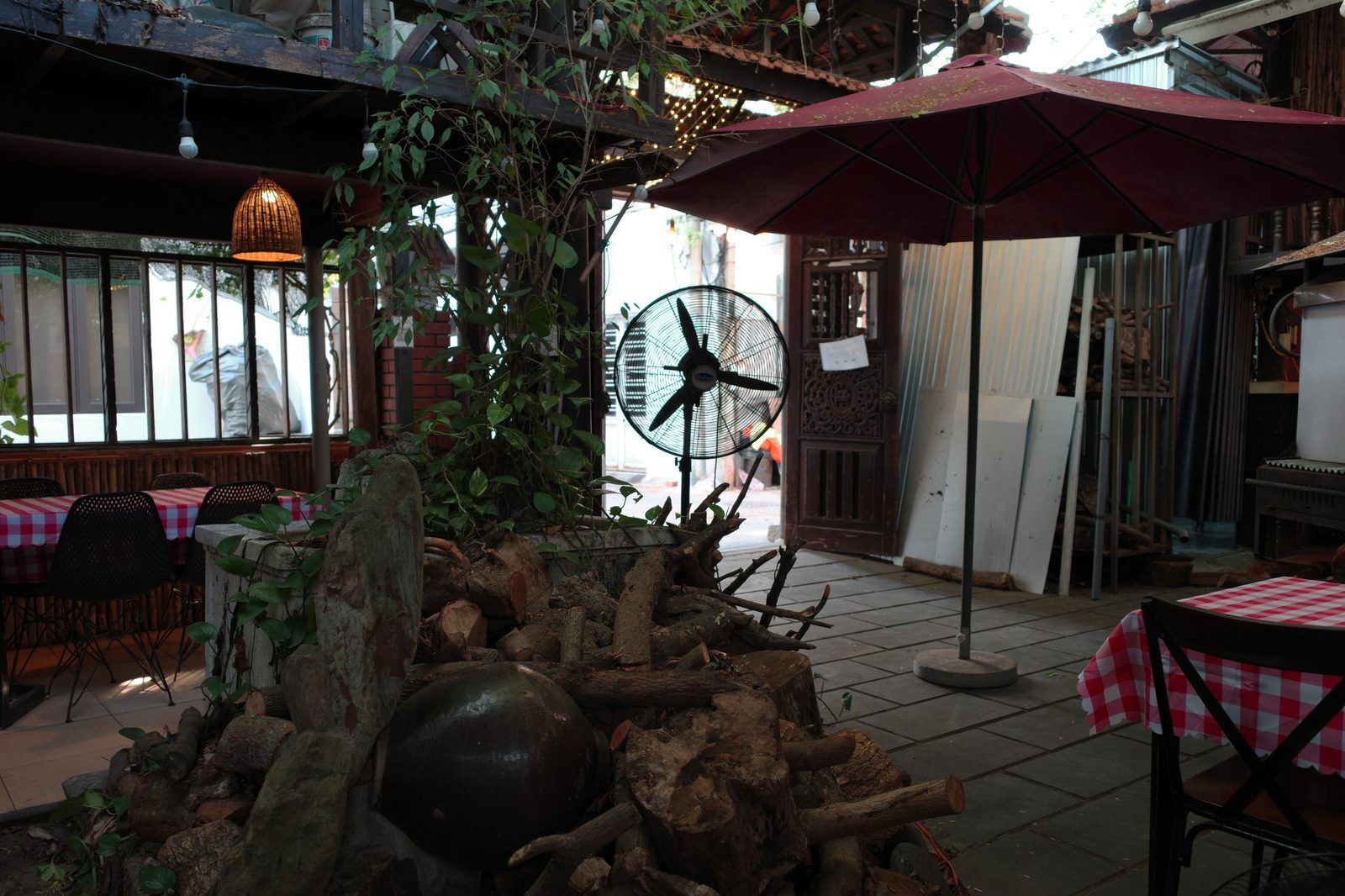
- The hidden-courtyard economy. Behind the main streets, Da Nang hides garden cafes and courtyard restaurants that never make the listicles. Half our favorite spots were places we walked past twice before noticing the gate.
- Airport proximity is a real perk. The airport sits inside the city — 10–15 minutes to any beach-side hotel, which makes late arrivals painless.
- Season matters more than area. March–August is beach season (June is hot but reliably sunny); October–December brings rain and the occasional typhoon swell, when the city side arguably becomes the better base.
- Book longer, pay much less. Weekly and monthly rates in An Thuong drop steeply — the neighborhood quietly runs on month-long guests. Food costs stay low too (here’s what a week of eating actually cost us).
Booking Tactics That Actually Saved Us Money
A few things we learned by booking, canceling and rebooking over the course of planning this trip:
- Book refundable first, then watch for a week. Da Nang hotel prices move more than most destinations — the same An Thuong hotel swung almost 30% across ten days in June. Lock a refundable rate early, then rebook if it dips.
- Check the apartment tier even for short stays. Serviced apartments here often price nightly at hotel rates but come with a washing machine and a kitchenette — in a beach town where you’re rinsing swimwear daily, the washer alone is worth $10 a night.
- “Sea view” has three meanings. Direct frontal view (worth it), side-angle glimpse between towers (rarely worth the premium), and “sea view from the rooftop, not your room” (read the fine print). Photos in reviews tell the truth faster than the listing does.
- June–August weekends fill with domestic travelers. Vietnamese families holiday here in summer, so Friday–Saturday nights price up and the beach gets wonderfully lively. If your dates are flexible, arriving Sunday and leaving Friday buys you quieter everything.
Mistakes to Avoid
The three most common ones we watched other travelers make:
- Booking the resort strip for a first, short visit. If you’ve got three nights and want to see Da Nang, a Non Nuoc resort quietly deletes half your trip to taxis and resort meals. Resorts here reward guests who commit to doing nothing.
- Staying city-side “to be central.” Da Nang’s center of gravity for visitors isn’t the administrative center — it’s the beach. Central means something different here than in Hanoi or Saigon.
- Judging An Thuong by its main drag. The busiest two streets are the least interesting part of the neighborhood. The good version of An Thuong — the courtyard cafes, the local pho counters, the quiet homestays — lives on the numbered side streets.
FAQ
What’s the best area to stay in Da Nang for first-timers?
An Thuong, behind My Khe Beach. It’s the only area where the beach, forty restaurants, cafes and convenience stores are all within a five-minute walk, and it’s well-positioned for both the airport and the Hoi An road. Beach-front high-rises suit you better only if hotel amenities outrank neighborhood life.
Is it better to stay in Da Nang or Hoi An?
For trips under a week that include beach time: Da Nang, with an evening or full-day trip to Hoi An. Da Nang’s beach is far better and logistics are easier. Choose Hoi An as your base if atmosphere beats swimming for you — its old town at 6 a.m. is something Da Nang can’t offer. We break the trade-off down in our Hoi An guide.
How many nights do you need in Da Nang?
Three nights covers the beach rhythm, a Hoi An evening and one big sight (Ba Na Hills or the Marble Mountains). Five to seven turns it into an actual holiday rather than a checklist — and Da Nang rewards the slower pace; it’s a city built around routines, not attractions.
Do you need to rent a motorbike in Da Nang?
No — and this is one of Da Nang’s underrated conveniences. Grab cars and bikes are cheap and arrive in minutes anywhere on the beach side; most rides across town cost 30,000–80,000 VND. Rent a motorbike only if you’re planning the Hai Van Pass or daily Marble Mountains runs, and only if you already ride confidently at home. Traffic here is calmer than Hanoi’s, but “calmer than Hanoi” is a low bar, and your travel insurance almost certainly requires a valid motorcycle license to cover an accident.
Is An Thuong noisy at night?
By Southeast Asian beach-town standards, no. There are bars, but the neighborhood energy peaks at dinner and fades by 11 p.m. Light sleepers should just avoid rooms directly facing the busiest numbered streets (An Thuong 4 area) and the main beach road.
Some links in this guide are affiliate links: if you book through them we may earn a small commission at no extra cost to you. It helps keep our guides honest and free.
Get our free Phu Quoc Trip Kit — the pre-departure checklist, a 5-day plan and our honest booking picks. No spam; at most one email a month.
By subscribing you agree to our privacy policy. Unsubscribe anytime.